Ever feel like the world of health and nutrition is moving at warp speed? It seems like just yesterday, getting personalized dietary advice meant endless appointments and flipping through dusty cookbooks.
But let me tell you, things have changed dramatically! As someone who’s constantly immersed in the wellness space, I’ve personally witnessed how online education isn’t just a convenience anymore; it’s a revolutionary force for both dietitians and anyone looking to truly take charge of their health.
We’re talking about incredibly smart AI tools helping craft hyper-personalized meal plans, virtual consultations that seamlessly fit into your busiest days, and a whole new level of tailored nutrition based on *your* unique body and lifestyle.
This digital revolution has flung open the doors to expert guidance, making it more accessible than ever, breaking down geographical barriers and making healthy living genuinely achievable for so many more people.
But with so much innovation happening at lightning speed, how do we harness these incredible tools effectively, and what does this really mean for our health and the future of the nutrition profession in the years to come?
Let’s dive deep and explore this fascinating new landscape together!
Unlocking True Personalization with AI-Powered Meal Planning

It’s absolutely incredible to think about how far we’ve come from generic diet plans, isn’t it? I remember a time when getting a meal plan felt like being shoved into a dietary straitjacket – one size was supposed to fit all, regardless of your personal preferences, allergies, or even your daily schedule.
But let me tell you, those days are quickly becoming a distant memory, and for good reason! The advent of AI in nutrition has truly revolutionized how we approach eating, shifting the paradigm from rigid rules to dynamic, adaptable strategies tailored to *you*.
I’ve personally experimented with a few of these cutting-edge platforms, and the difference is palpable. We’re talking about algorithms that learn your dietary preferences, track your activity levels, integrate with your wearable devices, and even factor in your current mood or stress levels to suggest meals that truly support your holistic well-being.
It’s no longer about deprivation; it’s about empowerment, giving you the tools to make informed choices that genuinely resonate with your body and lifestyle.
This isn’t just about weight loss anymore; it’s about optimizing energy, improving gut health, and truly feeling fantastic from the inside out. I feel like I’m finally eating in a way that my body thanks me for, day in and day out, without any of the old guesswork or frustration.
Beyond the One-Size-Fits-All Approach
Forget the days of restrictive diets that leave you feeling miserable and, frankly, hungry. Modern AI-driven nutrition tools are all about creating a food environment that feels natural and sustainable.
They take into account so much more than just calories; they delve into macronutrient ratios based on your fitness goals, micronutrient needs gleaned from potential deficiencies, and even your cultural food preferences.
When I first tried one, I was skeptical, but it actually suggested recipes that genuinely excited me and fit perfectly into my busy week, something a static plan could never achieve.
It feels like having a personal chef and a nutritionist whispering advice in your ear, perfectly synced to your life.
My Experience with Smart Nutrition Tools
I distinctly remember one particular week where my stress levels were through the roof, and my usual go-to healthy meals just felt… unappetizing. Instead of resorting to takeout, my AI-powered meal planner, recognizing my lower activity levels and reported stress, gently nudged me towards comforting, nutrient-dense dishes that were still within my dietary goals.
It suggested a delicious lentil soup and a magnesium-rich salmon dinner, things I wouldn’t have thought of myself in that state. That experience really solidified for me that these tools aren’t just about cold data; they actually help you listen to your body and respond with kindness, which is something truly invaluable when life gets hectic.
Virtual Consultations: Bridging Gaps, Building Trust
Honestly, who has the time these days for multiple in-person appointments, especially when you’re juggling work, family, and everything else life throws at you?
For the longest time, accessing a qualified dietitian felt like an exclusive club, often limited by geography or prohibitive costs. But the virtual landscape has completely flattened those barriers, making expert nutritional guidance more accessible than ever before.
It’s been a game-changer for so many people I know, myself included, who might live in areas without many specialists or simply can’t fit traditional appointments into their packed schedules.
The beauty of virtual consultations isn’t just the convenience; it’s about building genuine relationships with professionals who truly understand your unique challenges, all from the comfort of your own home or even during a quick break at work.
I’ve found that the relaxed environment of a video call often leads to more open and honest conversations, which are crucial for effective, long-term dietary changes.
This shift has democratized health advice in a way we could only dream of a decade ago, truly empowering individuals to seek the support they need without sacrificing their precious time.
The Comfort and Convenience of Online Sessions
Imagine having a personalized chat with a top-tier nutritionist while sipping your morning coffee, still in your pajamas. That’s the reality now! No traffic, no parking woes, no taking a half-day off work.
This flexibility has allowed me to consistently check in with my own health goals, something that always fell by the wayside before. Plus, the virtual format often allows for more frequent, shorter check-ins, which can be far more effective for accountability and making gradual, sustainable changes rather than overwhelming, infrequent deep dives.
It truly integrates wellness into my life, rather than making it feel like another chore to fit in.
Finding the Right Digital Dietitian for You
With so many options out there, how do you pick the right virtual dietitian? It’s like dating, but for your diet! My advice is always to look for someone whose philosophy aligns with yours, check their credentials (always, always!), and don’t hesitate to book an initial discovery call.
Many offer a free brief chat to see if you click. I personally prioritize dietitians who emphasize a non-restrictive approach and focus on sustainable habits rather than quick fixes.
Someone who truly listens to your lifestyle and doesn’t just hand you a generic meal plan is key to long-term success. It’s about finding a partner in your health journey, not just a lecturer.
Wearable Tech and Data: Your Body’s Personal Storyteller
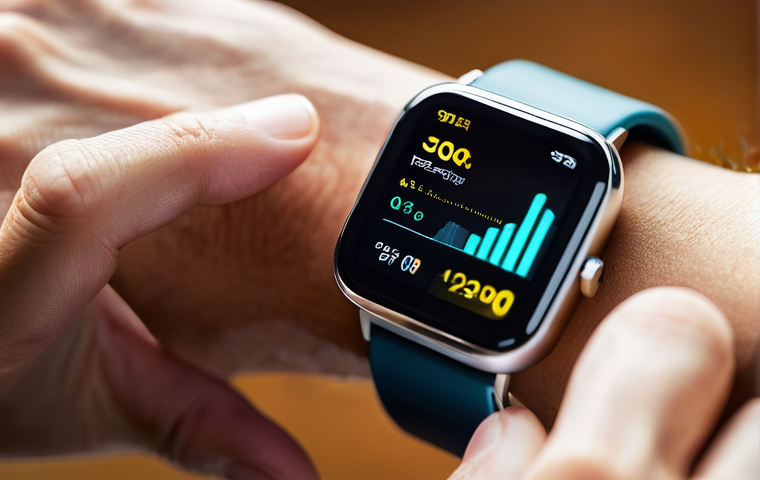
If you’re anything like me, you probably have some kind of wearable tech strapped to your wrist right now, silently collecting data about your life. And you know what?
It’s not just for counting steps anymore! This little gadget, and its more sophisticated cousins, are fundamentally transforming how we understand our bodies and, by extension, how we approach nutrition.
We’re moving beyond just guessing how our bodies react to food and activity; we’re getting real-time, personalized insights that were once the stuff of science fiction.
I’ve found that seeing my own data – like how certain foods affect my sleep quality or how my blood sugar responds to a new workout routine – is incredibly motivating and eye-opening.
It’s like my body finally has a voice, and it’s telling me exactly what it needs, rather than me trying to interpret vague signals. This direct feedback loop is not only empowering but also crucial for making truly informed decisions about what we eat and how we move.
It’s shifted my perspective from simply following advice to actively listening to my own physiological responses.
From Activity Trackers to Glucose Monitors
The spectrum of wearable tech available today is just mind-boggling. From your standard fitness trackers that monitor steps and heart rate to advanced continuous glucose monitors (CGMs) that give real-time blood sugar readings, the amount of personal data we can access is unprecedented.
I recently experimented with a smart ring that tracks sleep patterns with incredible accuracy, and linking that data to my diet helped me understand how late-night snacks were genuinely impacting my recovery.
It’s not about obsessing over every number, but rather using these insights as gentle nudges towards better habits.
Turning Data into Actionable Nutritional Insights
So, you have all this data—now what? This is where the magic happens! The real power of wearable tech lies in its ability to translate raw numbers into actionable advice.
For example, if your activity tracker shows consistently low energy expenditure, your AI nutritionist can suggest higher protein meals or a slight caloric adjustment.
If your CGM indicates a spike after a particular meal, you can then experiment with different food combinations or portion sizes. This isn’t just about knowing; it’s about *doing*.
It’s about personalizing your nutrition based on irrefutable evidence from your own body, making the process incredibly effective and uniquely tailored.
| Wearable Tech Type | Key Data Tracked | Nutritional Impact/Benefit |
|---|---|---|
| Fitness Trackers (e.g., Apple Watch, Fitbit) | Steps, Heart Rate, Calories Burned, Sleep Stages | Helps tailor caloric intake to activity levels, identifies impact of diet on sleep, encourages consistent movement. |
| Continuous Glucose Monitors (CGMs) | Real-time Blood Glucose Levels | Reveals immediate impact of specific foods on blood sugar, aids in managing blood sugar spikes, critical for personalized carbohydrate intake. |
| Smart Scales | Weight, Body Fat %, Muscle Mass, BMI | Tracks body composition changes over time, helps assess effectiveness of dietary changes beyond just weight. |
| Smart Rings (e.g., Oura Ring) | Sleep Quality, Heart Rate Variability, Body Temperature | Correlates diet with recovery and stress, informs nutrient needs for optimal performance and rest. |
The Evolving Role of the Nutrition Professional
You might be thinking, “With all this AI and tech, do we even need dietitians anymore?” And let me tell you, that couldn’t be further from the truth! In fact, the digital revolution isn’t sidelining nutrition professionals; it’s elevating them, transforming their roles into something even more impactful and nuanced.
What I’ve observed firsthand is a shift from dietitians being just information providers to becoming skilled interpreters, motivators, and strategic partners in health.
They’re now leveraging these incredible tools to offer deeper insights, more personalized care, and reach a far wider audience than ever before. It’s about embracing technology not as a threat, but as an incredibly powerful ally that frees them up to do what they do best: provide empathetic, expert human guidance.
The human element, that understanding ear, and tailored motivation, will always be irreplaceable, and now dietitians have the data-driven support to make their advice even more precise and effective.
Adapting to the Digital Landscape
For dietitians, adapting to this digital world means more than just offering video calls. It means becoming proficient in understanding and utilizing AI-powered platforms, interpreting wearable tech data, and even creating engaging online content.
Those who embrace these tools are not only expanding their reach but also enhancing the quality of care they can provide. It’s about combining their foundational knowledge with the latest tech to create truly bespoke wellness experiences for their clients, making their services more valuable than ever.
Building a Thriving Online Practice
The digital age has flung open the doors for dietitians to build incredibly successful online practices. No longer are they confined to a physical office; they can serve clients across states, or even countries!
This means greater flexibility for the professional and more choice for the client. I’ve seen dietitians create thriving communities, offer group coaching programs, and even develop their own digital products, all thanks to the power of online platforms.
It’s an exciting time to be a nutrition professional, with unprecedented opportunities for growth and impact.
Navigating the Digital Wild West: Quality vs. Quackery
Okay, let’s be real for a moment. While the internet has opened up a world of incredible opportunities for health and wellness, it’s also a bit of a “Wild West” sometimes, isn’t it?
With so much information flying around, it can feel overwhelming trying to discern what’s genuinely helpful from what’s just, well, plain wrong, or even dangerous.
I’ve personally scrolled through countless social media feeds filled with outlandish claims and quick fixes that promise the moon but deliver nothing but disappointment and often, a lighter wallet.
This is where our critical thinking skills become our most powerful tool. It’s absolutely crucial to approach online health advice with a healthy dose of skepticism, especially when it sounds too good to be true.
The ease of publishing online means anyone can claim expertise, and unfortunately, not everyone has your best interests at heart. Protecting ourselves from misinformation is just as important as finding good information, and it requires a keen eye and a discerning mind in this bustling digital space.
Spotting Red Flags in Online Health Advice
How do you tell the difference? My personal rule of thumb is this: if someone is promising a “secret,” a “miracle cure,” or suggesting that one food or supplement will solve all your problems, run the other way.
Legitimate health advice is rarely sensational. Be wary of claims that lack scientific backing, rely solely on anecdotal evidence, or are aggressively pushing a specific product.
Also, check for credentials – is the person giving advice actually qualified? Does their advice sound balanced and sustainable, or does it advocate for extreme restrictions?
Trust me, my gut feeling has saved me from a few questionable trends over the years.
The Importance of Credible Sources
This might sound obvious, but always prioritize information from reputable sources. Think registered dietitians, accredited health organizations, peer-reviewed scientific journals, and established medical institutions.
These are the gold standards. When I’m looking for new information or debunking a popular myth, I always cross-reference with a few trusted sites. It’s about building a solid foundation of knowledge from experts, rather than getting swept away by the latest viral sensation.
Our health is too important to leave to chance or unverified claims.
The Financial Upsides: Making Wellness Work for Everyone
Let’s talk brass tacks for a minute, because health and finances often go hand-in-hand, even if we don’t always like to admit it. One of the most understated benefits of this digital transformation in nutrition is its potential to make wellness more economically viable, both for the individual seeking help and for the professionals providing it.
I’ve seen firsthand how the traditional model of expensive, time-consuming consultations could often be a barrier for many, inadvertently making good health advice feel like a luxury.
But now, with online education and virtual services, we’re witnessing a beautiful democratization of access that not only reduces costs for consumers but also opens up exciting new revenue streams for dietitians.
It’s a win-win situation where efficiency and broader reach translate into more affordable options and more sustainable practices, ultimately making preventative health care and personalized nutrition something that’s genuinely within reach for a much larger segment of the population.
This shift isn’t just about personal well-being; it’s about building a healthier, more economically resilient society as a whole.
Cost-Effectiveness for Consumers
Think about it: virtual consultations often have lower overheads for the dietitian, which can translate into more competitive pricing for you. Plus, you save on travel time, gas, and parking – all those hidden costs that add up.
Many online platforms offer subscription models or package deals that can be more budget-friendly than individual in-person sessions. I’ve found that investing in a structured online program actually saves me money in the long run by helping me make better food choices, reducing impulse buys, and minimizing food waste at home.
It’s about smart spending on your health.
New Revenue Streams for Professionals
For dietitians, the digital age isn’t just about cost savings; it’s about unlocking entirely new ways to monetize their expertise. Beyond one-on-one virtual consultations, they can create and sell digital products like meal plan templates, e-books, online courses, or even run group coaching programs at scale.
This allows them to serve more people, generate passive income, and build a truly diversified business model that’s resilient and impactful. It’s a fantastic opportunity for them to leverage their knowledge and reach a global audience, expanding their influence and their income potential exponentially.
글을 마치며
Wow, what a journey we’ve been on today, diving deep into the incredible evolution of personalized nutrition! It’s truly mind-blowing to see how far we’ve come from those restrictive, one-size-fits-all diets.
I genuinely hope this post has opened your eyes to the powerful tools now at our fingertips, from AI-powered meal plans that feel like they’re reading your mind to virtual consultations that bring expert guidance right into your living room.
What I’ve truly cherished in my own experience is the sense of empowerment that comes from understanding my body’s unique needs and having the resources to respond to them intelligently.
It’s not just about what you eat anymore; it’s about a holistic understanding of how food, activity, and even your emotional state intertwine to create your personal wellness story.
Embracing these innovations isn’t about replacing human connection or common sense; it’s about enhancing them, giving us all a clearer path to sustainable, joyful health.
Remember, every small, informed choice adds up to a massive impact on your overall well-being. So, go forth, explore these exciting possibilities, and truly nourish yourself from the inside out!
알아두면 쓸모 있는 정보
Here are some practical nuggets of wisdom I’ve picked up along the way that I think you’ll find super useful as you navigate this new era of personalized wellness:
1. Maximize Your Wearable Tech Data
Don’t just collect data; *interpret* it! Your fitness tracker or smartwatch is doing more than just counting steps; it’s a silent storyteller, giving you insights into your sleep patterns, heart rate variability, and even how quickly you recover from a workout.
Link this data to your nutrition app to see real-time correlations. For instance, if your sleep quality dips after a late-night heavy meal, that’s a clear signal to adjust your evening routine.
Many modern devices can even offer personalized diet plans and meal planners, or track the impact of specific foods on your blood sugar, which is incredibly powerful for optimizing energy and overall health.
Really digging into these metrics has been a game-changer for me, turning abstract health goals into actionable, data-driven strategies.
2. Choosing a Virtual Dietitian Who Gets You
When looking for a virtual dietitian, it’s a bit like finding a good friend – connection is key! Always check their credentials to ensure they are a Registered Dietitian (RD) or Registered Dietitian Nutritionist (RDN), as they are uniquely qualified to provide medical nutrition therapy.
Beyond that, prioritize someone whose philosophy resonates with yours. Do they advocate for sustainable habits over restrictive diets? Do they emphasize listening to your body rather than just rigid rules?
Many offer a brief, free introductory call, which is a fantastic opportunity to gauge their approach and personality. I’ve found that open, honest conversations flow much more easily when you feel truly comfortable and understood.
This relationship is a partnership in your health journey, so choose wisely.
3. Smart Strategies for Spotting Online Health Misinformation
The internet is a treasure trove of information, but it’s also rife with misleading advice. My golden rule: if it sounds too good to be true, it probably is.
Always question sensational claims, “miracle cures,” or products promising rapid, effortless results. Look for sources that provide scientific backing, cite their research, and are transparent about their purpose.
Government health organizations (.gov), established medical institutions, and accredited non-profits (.org) are generally more reliable. Be wary of personal blogs or social media posts that lack credentials or solely rely on anecdotal evidence.
Cross-referencing information from multiple credible sources has saved me from falling for more than a few fads over the years!
4. Integrating Personalized Nutrition into a Busy Lifestyle
One of the biggest hurdles for many, myself included, is making healthy eating fit into a hectic schedule. Personalized nutrition tools shine here because they adapt to *your* life, not the other way around.
Look for apps that integrate with your calendar, offer quick-prep meal ideas, or suggest nutrient-dense snacks you can easily grab on the go. Meal prepping, even in small batches, can be a lifesaver, and many AI planners can generate shopping lists that simplify your grocery runs.
Remember, consistency beats perfection. Even small, sustainable changes, guided by personalized insights, will yield far better long-term results than trying to adhere to an overly rigid plan that quickly leads to burnout.
5. The Financial Upside of Investing in Your Health
It might seem counterintuitive, but investing in personalized nutrition can actually save you money in the long run. By proactively addressing dietary needs and preventing chronic conditions, you can potentially reduce future healthcare costs.
Virtual consultations can be more affordable than in-person visits, cutting down on travel expenses and time off work. Additionally, a well-structured meal plan, often provided by AI tools, can help minimize food waste and reduce impulsive, unhealthy take-out purchases.
I’ve personally noticed a significant drop in my grocery bill once I started planning meals more efficiently and choosing nutrient-dense foods that genuinely satisfy me, reducing cravings for expensive, processed alternatives.
It’s an investment in your health that truly pays dividends.
중요 사항 정리
To wrap things up, remember that the future of nutrition is deeply personal and incredibly empowering. We’re seeing a fantastic fusion of cutting-edge technology and timeless human expertise creating a new landscape for wellness.
Embrace AI-powered tools and wearable tech as your personal health allies, providing unprecedented insights into your body’s unique responses to food and activity.
Seek out qualified, compassionate nutrition professionals who can help you interpret this data and guide you on a path that’s truly sustainable and joyful.
Always be your own best advocate, critically evaluating online health information to separate genuine wisdom from fleeting fads. Most importantly, understand that investing in personalized nutrition isn’t just about food; it’s an investment in a more energetic, resilient, and vibrant you.
Here’s to making informed, empowered choices for a healthier, happier life!
Frequently Asked Questions (FAQ) 📖
Q: How can I actually get started with all these cool new online nutrition tools and make them work for my life?
A: This is such a great question because, let’s be real, the sheer number of options can feel a little overwhelming at first! From my own experience, the key is to start small and focus on tools that genuinely align with your specific goals and lifestyle.
If you’re looking for personalized meal plans, I’ve seen incredible results with AI-driven platforms that create tailored suggestions based on your dietary restrictions, health objectives, and even taste preferences.
Many of these tools integrate with apps that help you track calories, macros, and even offer barcode scanning for easy logging – think along the lines of MyFitnessPal, which can give you a complete nutritional breakdown and tailored weekly meal plans.
The real magic happens when you feed them good information. Be honest about your habits, your likes and dislikes, and what your daily routine actually looks like.
The more data you provide, the more “hyper-personalized” your plan becomes. For virtual consultations, the accessibility is a game-changer. Many registered dietitians now offer their services virtually, often through secure video platforms.
You can literally chat with an expert from your couch! I’ve found that setting clear goals with your dietitian from the start, whether it’s weight management, managing a chronic condition, or just optimizing your overall well-being, helps make these sessions incredibly effective.
Don’t be afraid to try a few different apps or platforms to see what “clicks” with you. The right tool should feel like a supportive friend, not another chore!
Q: With so much
A: I and tech, will personalized nutrition still feel ‘human’ and trustworthy? And what about the cost? A2: I totally get this concern.
When we talk about AI, it’s easy to imagine a cold, impersonal experience. But what I’ve personally witnessed is quite the opposite! While AI can crunch data and generate plans efficiently, its best use in nutrition is often as an augment to human expertise, not a replacement.
Think of it this way: AI can automate the time-consuming tasks like tracking nutrient intake or analyzing metabolic data, freeing up dietitians to spend more time counseling, answering questions, and providing that crucial human context and empathy.
This means you still get that deep, trusting relationship with a qualified professional, but they’re empowered by technology to give you even better tailored advice.
Many online dietitians are highly qualified professionals, offering the same level of expertise as those in traditional settings. Regarding cost, this is where the digital revolution often shines!
Virtual consultations can be more flexible and, in many cases, more affordable than traditional in-person visits because they cut down on travel and overhead.
Plus, the ability to choose from a wider range of professionals online means you can often find someone whose services fit your budget and specific needs.
Some platforms even offer membership models or digital products like e-books and meal plans, providing various price points to access expert knowledge.
It’s about finding that sweet spot where cutting-edge tech meets compassionate, expert human guidance.
Q: Is this digital health trend just a passing fad, or is it genuinely changing how we approach lifelong healthy eating?
A: Oh, trust me, this is definitely not a fad! Having been immersed in this space for years, I can confidently say that the digital transformation in health and nutrition is here to stay and it’s fundamentally reshaping how we approach wellness for the long term.
The COVID-19 pandemic really accelerated the shift, with many dietitians adopting telehealth services and never looking back. What we’re seeing now is a normalization of virtual care, with both clients and practitioners becoming more comfortable and trusting of online consultations.
This increased accessibility means that geographical barriers are dissolving, allowing more people than ever to connect with specialized nutrition professionals who might not be available locally.
The integration of AI means our personalized plans can continuously adapt and refresh based on our evolving needs, health metrics from wearables, and even predictive analytics to prevent future health problems.
This isn’t just about quick fixes; it’s about building sustainable, long-term healthy habits supported by convenient, data-driven insights and ongoing expert guidance.
We’re moving towards a future where managing our health through nutrition is genuinely integrated into our daily lives, making healthy living achievable for a much broader audience.
📚 References
Wikipedia Encyclopedia
구글 검색 결과
구글 검색 결과
구글 검색 결과
구글 검색 결과
구글 검색 결과