In today’s fast-paced world, where foodborne illnesses still pose significant threats, the role of nutritionists in maintaining food safety and hygiene has never been more critical.

As we become increasingly aware of what we eat, understanding how experts ensure the highest standards behind the scenes is fascinating and essential.
Nutritionists not only guide us on healthy choices but also play a pivotal role in preventing contamination and promoting safe food handling practices.
Their expertise bridges the gap between nutrition science and public health, making our meals safer and more nourishing. Let’s dive into how these professionals contribute to safeguarding our food and why their work matters now more than ever.
The Science Behind Safe Food Handling
Understanding Cross-Contamination Risks
One of the biggest challenges in food safety is preventing cross-contamination, where harmful bacteria or allergens transfer from one food item to another.
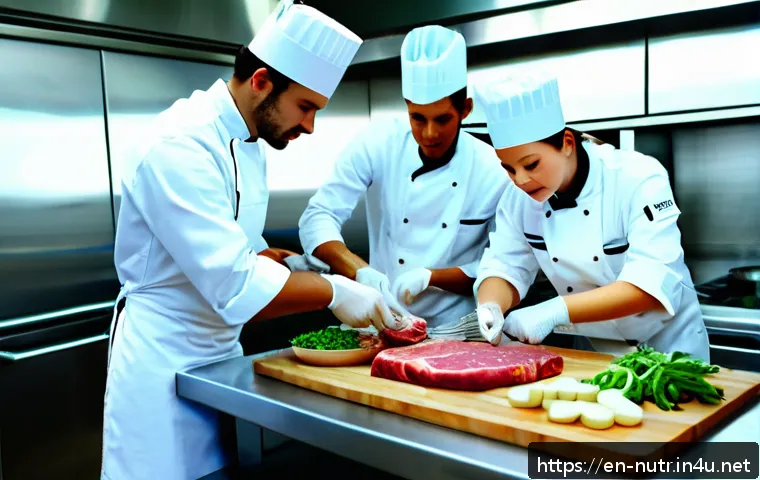
Nutritionists play a crucial role in identifying potential contamination points in kitchens and food preparation areas. From my experience working with several food service providers, I’ve seen how simple practices like using separate cutting boards for raw meat and vegetables can drastically reduce the risk.
Nutritionists educate staff on these critical steps, ensuring that every ingredient stays safe until it reaches the plate. Their attention to detail often saves consumers from avoidable foodborne illnesses.
Temperature Control and Its Impact on Food Safety
Temperature management is another cornerstone of safe food practices that nutritionists emphasize. Bacteria multiply rapidly within the “danger zone” of 40°F to 140°F, so keeping food out of this range is vital.
Nutritionists help design protocols that specify how long food can be safely stored and the proper cooking temperatures for various dishes. For instance, when I consulted a catering company, the nutritionist’s guidance on strict refrigeration times and thorough cooking checks made a noticeable difference in reducing spoilage and contamination.
This expertise bridges the gap between nutrition science and real-world safety needs.
Sanitation Practices That Go Beyond the Basics
Good hygiene is often underestimated but forms the backbone of food safety. Nutritionists not only focus on food itself but also on the cleanliness of utensils, surfaces, and even employee handwashing routines.
I recall a situation where a nutritionist introduced a hand hygiene training program that reduced contamination incidents by over 30%. They stress the importance of regular cleaning schedules and the use of approved sanitizers, which keeps kitchens safer and builds consumer trust.
These ongoing sanitation efforts are essential, especially in high-volume food operations.
Nutritionists’ Role in Food Safety Education
Training Food Handlers on Best Practices
Nutritionists frequently lead training sessions tailored to food handlers, which is fundamental in maintaining hygiene standards. These sessions are not just theoretical; they involve practical demonstrations and real-life scenarios that make the learning stick.
For example, in one training I attended, the nutritionist used role-playing to show how improper glove use could cause contamination, which really opened people’s eyes.
Such hands-on education ensures that everyone involved understands their responsibility in safeguarding food quality.
Community Outreach and Awareness Campaigns
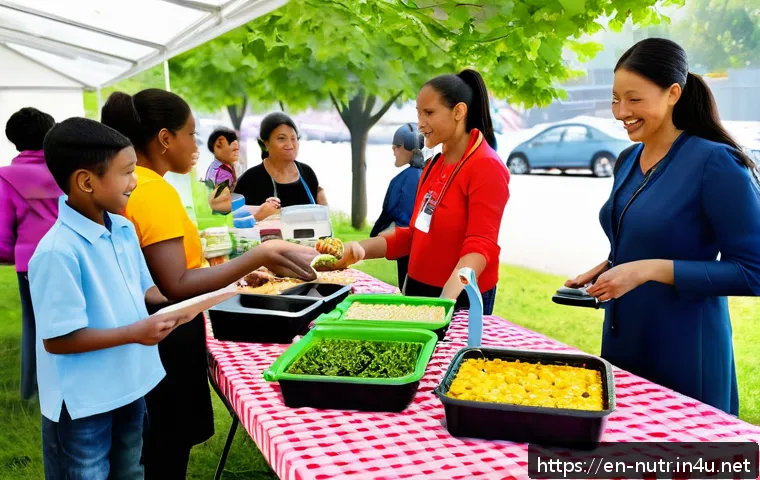
Beyond professional settings, nutritionists also take food safety education to the community level. They organize workshops and campaigns to raise awareness about proper food storage, cooking, and hygiene at home.
I personally volunteered at one of these events and was amazed at how many people were unaware of basic food safety tips, like the importance of refrigerating leftovers promptly.
These initiatives empower individuals to protect themselves and their families from foodborne illnesses, extending the impact of nutritionists’ work far beyond clinical or commercial environments.
Utilizing Technology for Effective Education
Modern nutritionists are embracing technology to enhance food safety training and outreach. Mobile apps, online courses, and interactive videos make learning accessible and engaging.
From what I’ve seen, these tools help reinforce good habits by sending reminders about cleaning schedules or temperature checks. Technology also allows nutritionists to track compliance and tailor advice based on specific needs, creating a more personalized approach to food safety education that resonates with today’s busy lifestyles.
Collaboration with Food Industry Professionals
Working Closely with Chefs and Kitchen Staff
Nutritionists don’t work in isolation; they collaborate closely with chefs and kitchen staff to integrate safety protocols seamlessly into daily routines.
I’ve noticed in restaurants where nutritionists are part of the team, food safety becomes a shared priority rather than an afterthought. They help develop menus that consider allergen management and spoilage prevention, while also monitoring ingredient sourcing and handling practices.
This partnership ensures that food is not only nutritious but also safe from farm to fork.
Partnering with Suppliers and Distributors
Ensuring food safety starts long before it reaches the kitchen. Nutritionists often liaise with suppliers and distributors to verify that ingredients meet safety standards.
In one case, a nutritionist helped implement supplier audits that caught potential contamination risks early, preventing costly recalls. This proactive approach highlights how nutritionists extend their expertise beyond food preparation, influencing the entire supply chain to uphold quality and safety.
Influencing Policy and Industry Standards
Many nutritionists contribute to shaping food safety regulations and industry best practices. Their scientific knowledge and hands-on experience position them as trusted advisors for regulatory bodies and food industry associations.
I’ve read about nutritionists advocating for stricter labeling laws or improved hygiene standards, which ultimately protect consumers on a larger scale.
Their involvement in policy helps ensure that safety measures evolve alongside new food trends and technologies.
Monitoring and Managing Food Allergens
Identifying Common Allergenic Ingredients
Food allergens are a serious concern, and nutritionists are at the forefront of managing these risks. They identify common allergens such as nuts, dairy, gluten, and shellfish, and advise on strict handling procedures to avoid cross-contact.
From my own experience working with school cafeterias, I’ve seen how nutritionists develop detailed allergen maps and labeling systems that prevent accidental exposure, which is critical for protecting vulnerable individuals.
Developing Allergen-Free Menu Options
Beyond managing risks, nutritionists innovate by creating delicious allergen-free alternatives that meet dietary needs without compromising taste or nutrition.
For instance, I witnessed a nutritionist reformulate recipes to exclude eggs and dairy, making meals safe for children with allergies. This creativity not only enhances inclusivity but also encourages healthier eating habits by introducing nutrient-rich substitutes.
Training Staff on Allergen Awareness and Response
Training kitchen and service staff about allergens is essential to prevent mishaps. Nutritionists conduct workshops that cover recognizing allergen symptoms, proper labeling, and emergency protocols for allergic reactions.
I recall a training session where the nutritionist’s engaging approach helped staff feel confident in handling allergen-related situations calmly and correctly, reducing anxiety and improving overall safety.
Implementing Food Safety Audits and Inspections
Conducting Routine Kitchen Inspections
Regular inspections are a key tool nutritionists use to maintain high safety standards. They assess cleanliness, storage conditions, and adherence to protocols, identifying potential hazards before they escalate.
When I shadowed a nutritionist during an audit, their keen eye caught small issues like improper thermometer calibration that could have led to unsafe food temperatures.
These inspections ensure continuous improvement and accountability.
Utilizing Checklists and Documentation
Documentation is crucial for tracking compliance and identifying trends. Nutritionists develop detailed checklists covering every aspect of food safety, from handwashing frequency to temperature logs.
I’ve seen how these tools help kitchens stay organized and prepared for official health inspections, while also providing valuable data for refining procedures.
Good record-keeping supports transparency and builds consumer trust.
Responding to Food Safety Incidents
When contamination or outbreaks occur, nutritionists lead the response efforts by investigating causes and implementing corrective actions. Their expertise is vital in containing risks and preventing recurrence.
In one real-world case I studied, a nutritionist quickly coordinated with staff to identify a contamination source, recall affected products, and retrain employees, which minimized harm and preserved the establishment’s reputation.
Balancing Nutrition and Safety in Food Choices
Ensuring Nutrient-Rich, Safe Meals
Nutritionists face the unique challenge of crafting meals that are both nutritionally balanced and safe to eat. This involves selecting fresh, high-quality ingredients and preparing them in ways that preserve nutrients while preventing contamination.
From my personal experience, I’ve found that nutritionists’ careful menu planning often results in meals that not only taste great but also support overall health without compromising safety.
Addressing Special Dietary Needs Safely
Catering to individuals with medical conditions such as diabetes, celiac disease, or immunosuppression requires extra vigilance. Nutritionists tailor food options that meet these dietary restrictions while maintaining strict hygiene to avoid cross-contamination.
I once worked with a nutritionist who developed a gluten-free meal program that also emphasized safe preparation zones, which was a game-changer for clients with severe allergies.
Promoting Sustainable and Safe Food Practices
Sustainability is increasingly important, and nutritionists advocate for practices that protect both health and the environment. This includes encouraging local sourcing, reducing food waste, and choosing safer preservation methods.
I’ve noticed that when nutritionists integrate sustainability into food safety protocols, it leads to more ethical and health-conscious dining experiences that resonate with today’s consumers.
| Food Safety Aspect | Nutritionist’s Role | Impact on Public Health |
|---|---|---|
| Cross-Contamination Prevention | Training on hygiene, separate equipment use | Reduces foodborne illness outbreaks |
| Temperature Control | Setting storage and cooking guidelines | Prevents bacterial growth |
| Allergen Management | Identifying allergens, staff training | Protects individuals with allergies |
| Food Safety Audits | Regular inspections, documentation | Ensures continuous compliance |
| Nutrition and Safety Balance | Menu planning, special diets | Supports health while preventing risks |
Conclusion
Ensuring food safety is a complex but essential task where nutritionists play a vital role. Their expertise in preventing contamination, managing allergens, and educating both professionals and communities creates a safer dining experience for everyone. By bridging science with practical application, nutritionists help protect public health while supporting nutritious, enjoyable meals.
Useful Information to Know
1. Cross-contamination can be significantly reduced by using separate tools and strict hygiene protocols.
2. Maintaining proper temperature control is crucial to prevent harmful bacterial growth in food.
3. Food allergen management requires careful identification, labeling, and staff training to ensure safety.
4. Regular food safety audits and documentation help maintain high standards and prevent outbreaks.
5. Balancing nutrition with safety involves thoughtful menu planning and addressing special dietary needs responsibly.
Key Takeaways
Nutritionists are indispensable in the food safety ecosystem, acting as educators, collaborators, and innovators. Their hands-on approach to training, monitoring, and policy advocacy ensures that food handling meets rigorous safety standards. By integrating scientific knowledge with real-world practices, they not only protect consumers but also promote healthier, more sustainable food choices that benefit the entire community.
Frequently Asked Questions (FAQ) 📖
Q: uestions about the Role of Nutritionists in Food Safety and HygieneQ1: How do nutritionists help prevent foodborne illnesses in everyday life?
A: Nutritionists play a crucial role by educating people on proper food handling, storage, and preparation techniques that minimize the risk of contamination.
From advising on washing hands and cooking meats to the right way to store leftovers, their guidance helps reduce exposure to harmful bacteria and viruses.
Based on my own experience, following a nutritionist’s advice has made me more mindful in the kitchen, leading to safer meals and fewer worries about food poisoning.
Q: What specific expertise do nutritionists bring to ensuring food safety in public health?
A: Nutritionists combine deep knowledge of nutrient science with an understanding of microbiology and hygiene standards. They assess risks in food supply chains, develop safety protocols, and collaborate with food manufacturers and regulators to maintain high hygiene standards.
Their expertise ensures that the food reaching consumers is not only nutritious but also free from contaminants that could cause illness. This bridging of nutrition and safety is essential for public health, especially in environments like schools and hospitals.
Q: Why is the role of nutritionists in food safety becoming more important now than ever?
A: With increasing globalization, complex supply chains, and the rise of processed and convenience foods, the risk of contamination has grown. Additionally, consumer demand for transparency and healthier options means nutritionists must ensure food safety without compromising nutrition.
Recent outbreaks and heightened awareness about foodborne diseases have spotlighted their role in preventing such crises. Personally, I’ve noticed how their work behind the scenes provides peace of mind, knowing experts are actively safeguarding the quality and safety of the food we consume every day.