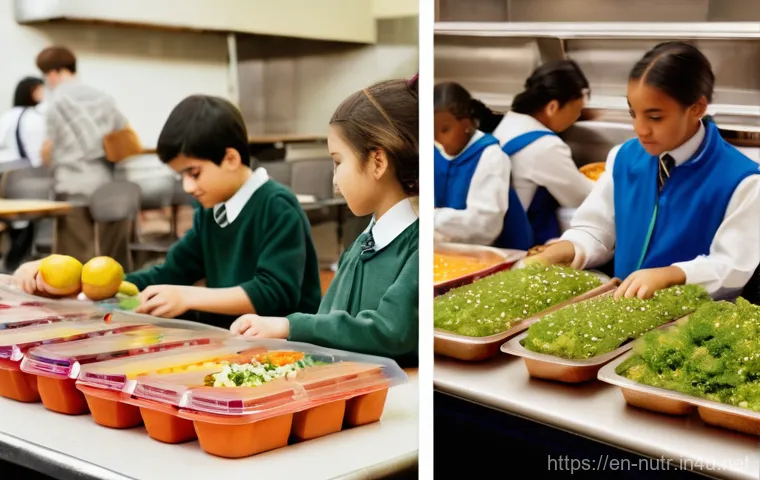
The evolution of nutritionists and the school lunch industry is a fascinating topic, and one that hits close to home for so many of us who remember cafeteria meals growing up.
It’s truly incredible to see how much has changed, and frankly, how much more *needs* to change, to ensure our kids are getting the best possible fuel for their minds and bodies.
From navigating ever-changing dietary guidelines to battling budget constraints and even staffing shortages, nutrition professionals in schools are real unsung heroes, constantly innovating to make healthy eating both appealing and accessible for students.
Think about it: a few decades ago, the focus was often just on getting kids fed; now, it’s about personalized nutrition, culturally relevant menus, and even leveraging tech to make lunch lines smoother and healthier choices easier.
I’ve personally seen firsthand the passion these professionals bring, constantly striving to transform cafeterias from mere feeding stations into vibrant learning environments where good habits are sown.
It’s not just about what’s on the plate anymore; it’s about the entire food experience, from sourcing local produce to teaching kids where their food comes from.
The challenges are real, from rising food costs to meeting strict sodium and sugar limits, but the dedication to student well-being is undeniable. So, how exactly are these incredible nutritionists adapting to these shifts, and what does the future hold for school lunches?
It’s a journey of continuous improvement, and I’m genuinely excited to share what I’ve discovered about the exciting trends and critical issues shaping this vital field.
Let’s delve deeper and uncover how they’re truly making a difference.The evolution of nutritionists and the school lunch industry is a fascinating topic, and one that hits close to home for so many of us who remember cafeteria meals growing up.
It’s truly incredible to see how much has changed, and frankly, how much more *needs* to change, to ensure our kids are getting the best possible fuel for their minds and bodies.
From navigating ever-changing dietary guidelines to battling budget constraints and even staffing shortages, nutrition professionals in schools are real unsung heroes, constantly innovating to make healthy eating both appealing and accessible for students.
Think about it: a few decades ago, the focus was often just on getting kids fed; now, it’s about personalized nutrition, culturally relevant menus, and even leveraging technology to make lunch lines smoother and healthier choices easier.
I’ve personally seen firsthand the passion these professionals bring, constantly striving to transform cafeterias from mere feeding stations into vibrant learning environments where good habits are sown.
It’s not just about what’s on the plate anymore; it’s about the entire food experience, from sourcing local produce to teaching kids where their food comes from.
The challenges are real, from rising food costs to meeting strict sodium and sugar limits, but the dedication to student well-being is undeniable. So, how exactly are these incredible nutritionists adapting to these shifts, and what does the future hold for school lunches?
It’s a journey of continuous improvement, and I’m genuinely excited to share what I’ve discovered about the exciting trends and critical issues shaping this vital field.
Let’s delve deeper and uncover how they’re truly making a difference.
From Brown Bags to Balanced Bites: The Culinary Revolution in Schools
Navigating the Ever-Evolving Plate: Dietary Guidelines and Beyond
Remember those days when school lunch meant mystery meat, soggy peas, and a carton of milk? Gosh, it feels like a lifetime ago, doesn’t it? What a journey we’ve been on since then! The truth is, the world of nutrition has completely transformed, and school cafeterias, thankfully, have been trying their best to keep up. It’s not just about meeting basic calorie needs anymore; it’s about adhering to increasingly stringent dietary guidelines from health organizations and governments, like the USDA in the States or Public Health England. These guidelines are constantly updated, reflecting the latest scientific understanding of what truly fuels growing bodies and minds. Honestly, it’s a monumental task for school nutritionists. They’re grappling with limits on sodium, saturated fat, and added sugars, while simultaneously trying to boost whole grains, fruits, and vegetables. I’ve heard stories from friends who work in this field, and it’s a constant balancing act – a culinary tightrope walk, if you will. They’re not just cooking; they’re strategizing, educating, and innovating to make sure every plate aligns with the best possible health standards. It’s a far cry from the “just get them fed” mentality of yesteryear, and frankly, I’m so glad to see that commitment to our kids’ long-term health taking center stage.
Tailoring Tastes: Personalization in a Group Setting
But here’s where it gets really interesting: it’s not just about broad guidelines anymore. We’re moving into an era where personalization, even in a mass-feeding environment like a school cafeteria, is becoming increasingly vital. Think about it – allergies, dietary restrictions (gluten-free, dairy-free), cultural food preferences, and even plant-based diets are far more common today than they were a generation ago. School nutritionists are facing the incredible challenge of creating menus that cater to this diverse tapestry of needs and preferences. I’ve personally seen how some schools are using technology, like online ordering systems, to allow students to pre-select meals that meet their specific requirements. It’s truly amazing! Beyond just avoiding allergens, they’re also striving to offer choices that genuinely appeal to kids, incorporating flavors from different cultures and experimenting with new ingredients to make healthy eating exciting. It’s no easy feat, but the dedication to ensuring every child feels included and nourished is incredibly inspiring. It feels less like a one-size-fits-all approach and more like a thoughtful, inclusive culinary experience.
The Digital Dish: How Technology is Reshaping School Food
Seamless Service: Streamlining Operations with Smart Systems
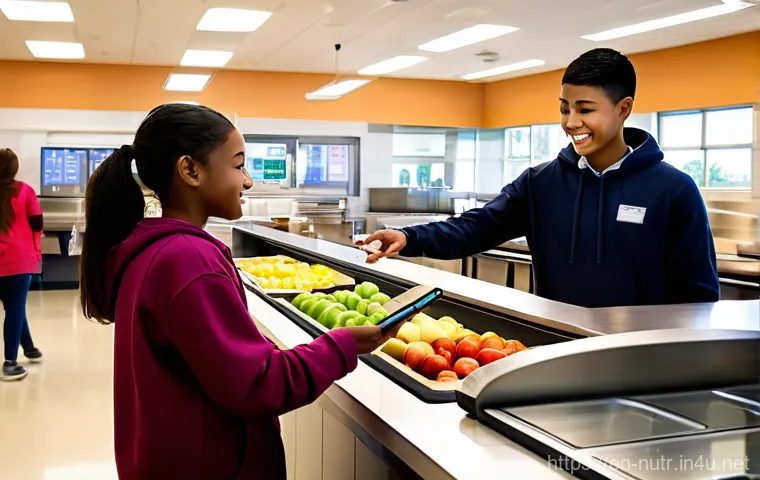
If you’ve ever been stuck in a ridiculously long school lunch line, you know how precious every second is. Well, thankfully, technology is stepping in to make things a whole lot smoother. It’s wild to think about how much has changed just in the last decade. Many schools are now implementing sophisticated point-of-sale (POS) systems that integrate with student IDs, allowing for faster checkout and reducing cash handling. This isn’t just about speed; it also provides invaluable data on meal participation and popular choices, helping nutrition managers fine-tune their menus and reduce food waste. I’ve chatted with a few school food service directors, and they often mention how these systems have revolutionized their inventory management, making ordering more efficient and preventing shortages. No more frantic calls to the supplier mid-morning because you’ve run out of milk! It’s a game-changer for operations, allowing the staff to focus more on food preparation and student interaction rather than administrative headaches. Plus, with online payment portals, parents can easily manage their child’s meal accounts, adding funds and tracking purchases from the comfort of their home, which is a massive time-saver for busy families.
Engaging Young Eaters: Leveraging Digital Tools for Better Choices
But technology isn’t just for the back-office; it’s also a fantastic tool for engaging students directly and encouraging healthier eating habits. I’ve seen schools use interactive digital menus displayed on screens in the cafeteria, showcasing colorful photos of the day’s offerings and highlighting nutritional information. Some even incorporate fun facts about the ingredients or quizzes about healthy eating. It’s a brilliant way to make lunch feel more dynamic and less like a chore. There are also mobile apps being developed that allow students to provide feedback on meals, rate dishes, and even suggest new recipes. Imagine having a say in what’s on the menu! This kind of digital interaction fosters a sense of ownership and can genuinely influence children’s willingness to try new, healthier foods. It’s about empowering them to make informed decisions, rather than just passively accepting what’s served. I truly believe that by making healthy eating fun and interactive through technology, we can sow the seeds for lifelong good habits. It’s not just about feeding them, it’s about teaching them to be food-savvy.
Nourishing Beyond the Tray: Community, Culture, and Culinary Education
From the Field to the Fork: The Rise of Farm-to-School Initiatives
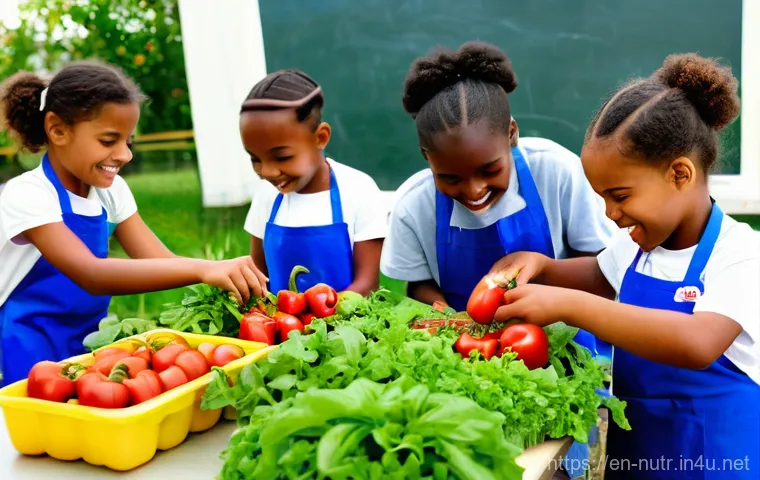
There’s something incredibly heartwarming about knowing where your food comes from, isn’t there? This is a concept that’s thankfully gaining huge traction in the school lunch world through what we call “farm-to-school” programs. It’s not just a buzzword; it’s a movement that connects local farms with school cafeterias, bringing fresh, often organic, produce directly to students’ plates. I’ve personally seen how excited kids get when they know the apples they’re eating were grown just a few miles down the road. It fosters a real connection to their community and to the food itself. Beyond the nutritional benefits of fresh, seasonal ingredients, these programs also inject money back into local economies, supporting small farmers. It’s a win-win situation! Some schools even have their own gardens, where students get to plant, tend, and harvest the very vegetables they then see served in the cafeteria. Talk about a hands-on learning experience! This not only provides incredibly fresh ingredients but also educates students about agriculture, sustainability, and the importance of supporting local businesses. It’s about cultivating a deeper appreciation for food, long before it even reaches their tray.
Cultivating Palates: Culinary Education and Food Literacy
It’s one thing to serve healthy food, but it’s another entirely to teach kids why it’s important and how to make those choices for themselves. This is where culinary education and food literacy come into play, and honestly, I think it’s one of the most exciting developments in school nutrition. Many schools are now integrating cooking classes or food education workshops into their curriculum, often led by school nutritionists or chefs. These aren’t just about following a recipe; they’re about teaching foundational cooking skills, understanding nutritional labels, and even exploring different cultural cuisines. I’ve seen firsthand how a simple lesson on making a healthy salad dressing can completely change a child’s perception of vegetables. It empowers them! They learn to experiment, to taste, and to appreciate the artistry of food. Beyond the classroom, school nutrition teams are often creating engaging campaigns and taste-testing events in the cafeteria, encouraging kids to try new fruits and vegetables. It’s about breaking down barriers and fostering a sense of adventure around food. When kids understand the “why” behind healthy eating, and have the skills to prepare it themselves, they’re far more likely to make those smart choices throughout their lives.
The Perpetual Tightrope: Navigating Budgets and Staffing Challenges
The Dollar Dilemma: Balancing Costs with Nutritional Standards
Let’s be real for a moment: running a school lunch program, especially one dedicated to high nutritional standards, is incredibly expensive. School nutritionists are constantly facing the uphill battle of balancing rising food costs, labor expenses, and equipment maintenance with often limited budgets. It’s a perpetual tightrope walk! They’re under immense pressure to stretch every dollar while still procuring high-quality, nutritious ingredients. I’ve often wondered how they manage it, and what I’ve learned is that it requires incredible ingenuity and sharp negotiation skills. They’re constantly looking for ways to buy in bulk, explore cooperative purchasing agreements with other school districts, and identify cost-effective, yet healthy, ingredient alternatives. It’s not just about getting the cheapest option; it’s about getting the best value without compromising on the dietary guidelines we discussed earlier. This financial juggling act is a huge part of their day-to-day, and it truly speaks to their dedication that they manage to make it work, often with a smile on their faces despite the immense pressure. It truly makes me appreciate every single meal they serve.
The Human Element: Tackling Staffing Shortages and Training Needs
Beyond the budget, there’s another significant hurdle: staffing. Finding and retaining skilled food service professionals can be incredibly challenging, especially in a job market where competition is fierce and wages can sometimes be lower than in other culinary sectors. I’ve heard from many school food service directors about the struggle to fill positions, from cooks to cafeteria assistants. It’s a tough job – demanding, fast-paced, and often underappreciated. And yet, the folks who work in school cafeterias are absolutely essential! Moreover, with the constantly evolving nutritional guidelines and technological advancements, there’s a continuous need for training and professional development. School nutritionists aren’t just managers; they’re also educators, providing ongoing training to their staff on everything from food safety protocols to new cooking techniques and menu implementation. It’s a huge undertaking that requires immense patience and leadership. Despite these challenges, the passion these teams bring to feeding our children, often with limited resources and overworked staff, is nothing short of heroic. They truly are the unsung heroes of our school communities.
| Aspect | Traditional School Lunch (Pre-2000s) | Modern School Lunch (Post-2010s) |
|---|---|---|
| Primary Goal | Provide basic sustenance; fill bellies. | Foster holistic wellness; nutritional education. |
| Menu Focus | Standardized, often processed foods; less variety. | Diverse, fresh, culturally relevant, plant-forward options. |
| Dietary Standards | Looser guidelines; higher sodium/sugar/fat content. | Strict limits on sodium, sugar, fat; emphasis on whole grains, fruits, vegetables. |
| Technology Use | Manual cash payments; paper records. | POS systems, online payments, digital menus, feedback apps. |
| Sourcing | Large-scale distributors; less local focus. | Emphasis on local/regional sourcing (farm-to-school). |
| Education | Minimal direct food education. | Integrated culinary education, food literacy, taste tests. |
| Personalization | Limited options for dietary needs. | Accommodations for allergies, dietary restrictions, cultural preferences. |
Sustainability on the Menu: Eco-Conscious Choices in the Cafeteria
Waste Not, Want Not: Reducing Environmental Footprints
Have you ever thought about the sheer amount of waste generated by a school cafeteria every single day? It can be staggering! From food waste to single-use plastics, the environmental impact is something school nutritionists are increasingly aware of and actively working to reduce. It’s not just about doing good for the planet; it’s also about smart resource management and, often, cost savings in the long run. I’ve witnessed incredible initiatives like composting programs where food scraps are turned into nutrient-rich soil, and recycling programs that divert tons of plastic and cardboard from landfills. Some schools are even experimenting with trayless cafeterias or reusable dishware to cut down on disposable items. It requires a lot of planning and collaboration with students and staff, but the payoff is immense. Teaching kids about food waste and the importance of sustainability at a young age is incredibly powerful. It shapes their habits and their understanding of their role in protecting our planet, making them more conscious consumers as they grow older. It’s truly inspiring to see these efforts making a tangible difference.
Plant-Forward Plates: Promoting Health and Environmental Stewardship
Another fascinating trend I’ve noticed is the rise of plant-forward menus in schools. It’s not necessarily about going fully vegetarian or vegan, but rather about incorporating more plant-based dishes and reducing the reliance on meat. This shift isn’t just driven by dietary preferences; it’s also a conscious effort to address environmental concerns. Producing meat has a significantly larger carbon footprint than growing vegetables and grains, so by offering more plant-based options, schools are playing a role in promoting a more sustainable food system. I’ve tasted some incredible plant-based school lunch creations – think lentil tacos, veggie burgers made from scratch, or hearty bean chili. They’re often packed with flavor and nutrients, and they introduce students to a wider variety of foods. It’s a brilliant way to broaden their palates and encourage healthier eating habits that benefit both their bodies and the planet. It makes me hopeful that future generations will have a more diverse and environmentally conscious understanding of what makes a delicious and nourishing meal.
The Unsung Heroes: Empowering School Nutrition Professionals
Growing the Expertise: Training, Certification, and Continuous Learning
Behind every delicious and nutritious school meal is a team of dedicated professionals, and at the heart of that team are the school nutritionists and food service directors. These folks are true experts, constantly honing their craft. It’s not enough to just know how to cook; they need to understand complex dietary regulations, food safety protocols, budget management, and even culinary trends. That’s why continuous training and certification are so incredibly vital in this field. Many professionals pursue certifications like the School Nutrition Specialist (SNS) credential, which demonstrates a high level of expertise in school food service management. I’ve often been amazed by their commitment to ongoing education, attending workshops and conferences to stay abreast of the latest research and best practices. This dedication ensures that they’re not just serving food, but truly leading their departments with a deep understanding of nutrition science and operational excellence. It’s a demanding profession that requires both culinary talent and sharp administrative skills, and these training opportunities are key to their success and, by extension, our children’s well-being.
Beyond the Cafeteria: Advocating for Better Resources and Recognition
Despite their critical role, school nutrition professionals sometimes operate quietly, behind the scenes, without the recognition they truly deserve. However, I’ve seen a growing movement for these unsung heroes to step into the spotlight and advocate for better resources, funding, and appreciation for their invaluable work. They’re often on the front lines, explaining the complexities of school nutrition programs to parents, administrators, and policymakers. They share their experiences, highlight the challenges they face – like those budget and staffing issues we talked about – and champion the importance of well-funded, high-quality school meal programs. It’s inspiring to see them use their voices to push for systemic changes that benefit every student. This advocacy isn’t just about their own departments; it’s about recognizing that school meals are an integral part of a child’s education and overall health. When these professionals are empowered and supported, the entire school community thrives. It’s a reminder that sometimes, the most important work happens where you least expect it, and it’s powered by passionate individuals fighting for what’s right.
Charting the Course: The Future of School Nutrition
Anticipating Tomorrow’s Tastes: Adapting to Future Health Trends
So, what’s next for school lunches? It’s genuinely exciting to think about! The field of nutrition is constantly evolving, with new research emerging regularly, and school nutritionists are always on the lookout for what’s coming down the pike. I anticipate we’ll see an even greater emphasis on personalized nutrition, possibly with more advanced technology that allows for highly customized meal plans based on individual student health profiles, always with appropriate privacy safeguards, of course. There might be more exploration into functional foods – those that offer health benefits beyond basic nutrition – and perhaps even more plant-based and allergy-friendly options becoming the norm rather than the exception. We could also see a deeper integration of mental health into nutrition planning, recognizing the powerful link between gut health and brain function. It’s not just about physical growth; it’s about nurturing emotional and cognitive well-being too. The future will demand even more agility and adaptability from these professionals, but I have no doubt they’re up to the challenge, always striving to be at the forefront of what’s best for our kids.
The Policy Powerhouse: The Enduring Role of Legislation in Shaping School Food
Ultimately, a significant driving force behind the continued evolution of school lunches will remain public policy and legislation. Government initiatives, funding mandates, and updated nutritional standards will continue to set the framework within which school nutritionists operate. I’ve seen how changes in federal guidelines can dramatically reshape menus and operational approaches almost overnight. Moving forward, I believe there will be continued advocacy for stronger policies that prioritize child nutrition, increase funding for meal programs, and support local food systems. There’s also a growing conversation around universal free school meals, acknowledging that hunger is a significant barrier to learning, and that all children deserve access to healthy food, regardless of their family’s income. As engaged citizens, our voices matter in these conversations, helping to shape the legislative landscape that empowers school nutrition professionals to do their best work. The future of school lunches isn’t just in the hands of the cooks and the nutritionists; it’s a collective effort, guided by policy, community support, and an unwavering commitment to our children’s health and academic success. It’s a journey, and I’m optimistic about where we’re headed!
Wrapping Things Up
Wow, what a journey we’ve taken through the incredible evolution of school nutrition! It’s genuinely inspiring to see how far we’ve come from those classic, often unloved, cafeteria meals. From embracing cutting-edge nutritional science and technology to fostering a deeper connection to food sources and even tackling environmental concerns, the dedication of school nutrition professionals is truly remarkable. This isn’t just about filling bellies anymore; it’s about nurturing future generations, empowering them with knowledge, and setting them up for lifelong health. It makes me feel incredibly optimistic about the plates our children will be served tomorrow, and the positive impact that will have on their lives.
Useful Info to Know
It’s easy to overlook the complexity behind school meal programs, but understanding a few key things can really change your perspective and help you get involved:
1. Advocacy Matters:
If you’re passionate about healthier school meals, remember that your voice can make a difference! Join parent-teacher organizations, attend school board meetings, or contact your local representatives.
Policymakers respond to engaged communities, and advocating for increased funding and stronger nutritional standards can profoundly impact what’s on the menu.
Every little bit of support helps the amazing school nutrition teams achieve their goals. 2.
Embrace Technology with Your Kids:
Many schools now use digital menus, online payment systems, and even apps for feedback. Encourage your children to explore these tools! It can make them feel more involved in their food choices, help them understand nutritional information, and give them a sense of ownership over what they eat.
It’s a great way to bridge the gap between home and school eating habits. 3.
Support Farm-to-School Initiatives:
If your school has a farm-to-school program, get behind it! These initiatives not only bring incredibly fresh, often locally sourced, ingredients to the cafeteria, but they also teach kids about where their food comes from and the importance of sustainability.
It’s a fantastic way to boost local economies and ensure healthier, more delicious options for students. 4.
Understand Dietary Accommodations:
Don’t hesitate to communicate your child’s specific dietary needs, allergies, or restrictions to the school. Modern school cafeterias are increasingly equipped to handle a wide range of requirements, from gluten-free to dairy-free and vegetarian options.
Open communication ensures your child receives safe and appropriate meals, fostering inclusivity and peace of mind for everyone. 5.
Talk About Food at Home:
Extend the conversation about healthy eating beyond the cafeteria. Discussing the importance of balanced meals, trying new fruits and vegetables, and even involving your kids in meal preparation at home reinforces the lessons learned at school.
It helps build a positive relationship with food, making them more likely to make informed and healthy choices throughout their lives.
Key Takeaways
Reflecting on everything we’ve explored, a few crucial points truly stand out when it comes to the dynamic world of school nutrition. First, it’s undeniably a field driven by a profound commitment to children’s well-being, constantly adapting to new scientific understanding and societal shifts. We’re witnessing a real push towards more personalized, culturally diverse, and nutritionally robust menus that go far beyond just basic sustenance. Second, technology isn’t just a convenience; it’s a powerful enabler, streamlining operations and, more importantly, engaging students directly in their food choices. This digital integration is truly changing the game in how kids interact with and understand healthy eating. Lastly, and perhaps most importantly, the unsung heroes – the dedicated school nutrition professionals – are the backbone of this revolution. Their expertise, resilience, and unwavering advocacy, despite budget constraints and staffing challenges, are what truly make these transformative changes possible. It’s a collective effort, from policymakers to parents and the cafeteria staff, all working towards a brighter, healthier future for our kids, one plate at a time. It’s an ongoing journey, but one filled with incredible progress and so much hope.
Frequently Asked Questions (FAQ) 📖
Q: What are the biggest hurdles school nutritionists face today in transforming school lunches?
A: Oh, where do I even begin? Having spoken with so many passionate professionals in this field, I can tell you it’s a tightrope walk every single day. First off, budget constraints are huge.
Imagine trying to feed hundreds, sometimes thousands, of kids on a shoestring budget while still sourcing quality, nutritious ingredients. It’s a constant puzzle!
Then there are the ever-changing dietary guidelines. Just when you get a menu perfected, new regulations roll in, and it’s back to the drawing board to ensure everything meets the latest sodium, sugar, and fat limits, all while keeping it palatable.
And let’s not forget staffing shortages. These aren’t just cooks; these are dedicated individuals who often wear many hats, from meal prep to nutritional education.
It’s exhausting work, and finding enough hands on deck is a persistent struggle. Finally, and this is something I’ve personally observed, it’s battling against picky eaters and preconceived notions.
Kids, and sometimes even parents, have ideas about what “school lunch” tastes like, and breaking those stereotypes with new, healthier, and often unfamiliar options requires immense creativity and persistence.
It’s a lot, but their dedication to student well-being truly shines through despite it all!
Q: How have school lunch menus evolved to make healthy eating more appealing and accessible to students?
A: It’s honestly like night and day compared to what I remember from my own school days! Back then, “lunch” often meant a tray of beige. Now?
It’s a vibrant culinary landscape! A huge shift I’ve noticed is the focus on fresh, local produce. Many schools are actively partnering with local farms, not only providing fresher ingredients but also teaching kids about where their food comes from.
It’s an amazing educational opportunity. Another game-changer has been menu diversity and cultural relevance. Instead of a one-size-fits-all approach, nutritionists are crafting menus that reflect the diverse backgrounds of their student populations, incorporating dishes that are familiar and comforting to different cultures.
This isn’t just about food; it’s about inclusion. I’ve seen schools doing “taste test Tuesdays” where kids get to try new fruits or vegetables and vote on their favorites, making them feel like part of the process.
It’s about engagement, making healthy choices exciting, and proving that nutritious food doesn’t have to be boring or bland. They’re literally transforming cafeterias into places where kids want to eat well.
Q: Looking ahead, what exciting trends and innovations can we expect to see shaping the future of school lunches?
A: Oh, the future is looking so bright for school lunches, and I’m genuinely thrilled about it! One major trend I’m observing is the increasing integration of technology.
We’re talking about everything from apps that allow students to pre-order meals, track their nutritional intake, or even provide feedback on dishes, to smart cafeteria systems that reduce food waste and streamline operations.
It makes the whole process smoother and more engaging for the digital-native generation. Another huge area is personalized nutrition. As we learn more about individual dietary needs and preferences, schools are exploring ways to offer more customized options, whether it’s for allergies, cultural diets, or even just individual taste preferences.
Imagine a system where a student’s dietary profile guides their meal choices – that’s truly revolutionary! Finally, there’s a growing emphasis on sustainability and environmental consciousness.
From reducing single-use plastics to sourcing more plant-based options and minimizing food waste through composting and donation programs, school nutrition programs are becoming leaders in teaching responsible consumption.
It’s not just about feeding kids; it’s about nurturing future global citizens who understand the impact of their food choices. I truly believe we’re on the cusp of an incredible transformation in how our kids eat and learn about food.