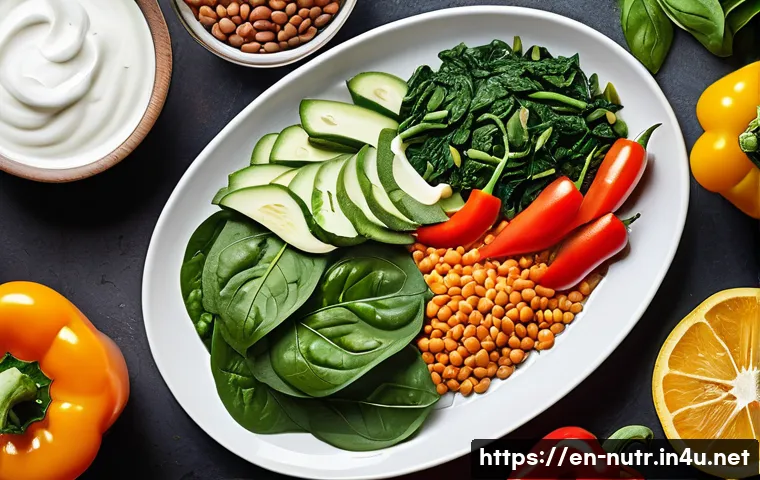
In today’s fast-evolving world, the role of nutritionists is expanding beyond traditional settings, opening doors to exciting and diverse career paths.
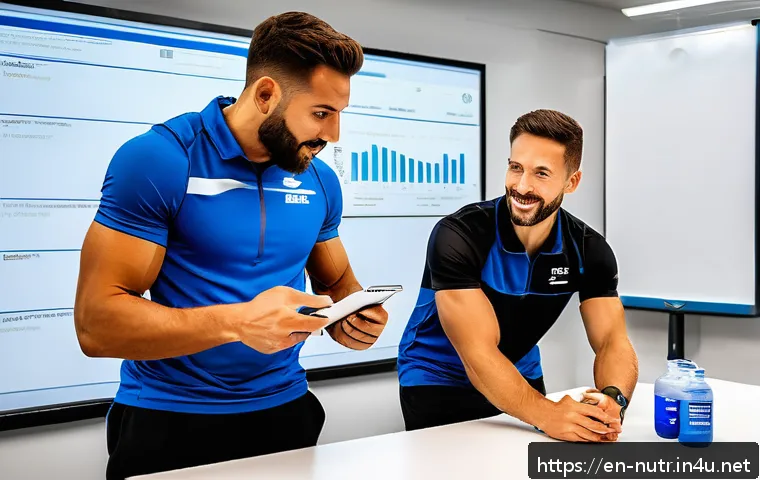
With growing awareness about health and wellness, industries like tech, sports, and personalized nutrition are actively seeking expert guidance. If you’ve ever wondered where a nutrition degree can truly take you, now is the perfect time to explore these emerging opportunities.
Join me as we dive into the top industries reshaping the nutrition landscape and discover how you can carve out a meaningful and rewarding career. This journey promises insights that could change the way you view your professional future.
Innovating Health Tech: Nutrition Meets Technology
Smart Devices and Personalized Diets
The rise of wearable health tech has completely transformed how people track their nutrition and fitness. Devices like smartwatches and fitness bands now include features that monitor calorie intake, macronutrient ratios, and hydration levels in real time.
Nutritionists working in this space help design algorithms and user-friendly interfaces that deliver personalized dietary advice based on an individual’s unique data.
From my experience consulting with health app developers, the collaboration between nutrition science and technology is thrilling because it empowers users to make smarter choices daily without feeling overwhelmed.
Data Analytics Driving Nutritional Insights
Behind every successful health app or nutrition program lies a treasure trove of data. Nutritionists skilled in data analytics analyze eating patterns, user feedback, and health outcomes to refine recommendations continuously.
This role demands a blend of nutritional expertise and comfort with big data tools, which is increasingly in demand as companies strive to offer evidence-based solutions.
I’ve seen how nutritionists who master data visualization and interpretation become indispensable advisors in tech startups and established companies alike, shaping the future of personalized nutrition.
Virtual Coaching and Telehealth Nutrition Services
The pandemic accelerated the adoption of telehealth, opening doors for nutritionists to reach clients virtually across the globe. Virtual coaching platforms allow dietitians to provide customized meal plans, behavioral support, and progress tracking remotely.
This flexibility not only expands client access but also enables nutrition pros to scale their services efficiently. Personally, I found that building rapport through video calls requires new communication skills, but the payoff is huge—clients appreciate convenience and personalized attention without geographic barriers.
Sports Nutrition: Fueling Peak Performance
Professional and Amateur Athlete Support
Sports nutrition has evolved far beyond just “eat more protein.” Today’s nutritionists design tailored plans that optimize performance, recovery, and injury prevention for athletes at every level.
Working closely with coaches, trainers, and sports medicine specialists, these professionals use the latest research on nutrient timing, hydration strategies, and supplementation.
I’ve witnessed firsthand how a well-crafted nutrition plan can dramatically improve an athlete’s endurance and mental focus, making this career path incredibly rewarding for those passionate about sports.
Team and Organization Consulting
Many sports teams, from local clubs to professional franchises, hire nutrition experts to oversee the dietary needs of their entire roster. This role involves menu planning, supplement protocols, and educating players about nutrition’s role in their overall health.
Nutritionists in this niche often travel with teams, witnessing the direct impact of their work on athletes’ day-to-day routines. It’s a dynamic environment that requires adaptability, strong communication skills, and a deep understanding of sports science.
Developing Sports Nutrition Products
Another exciting avenue is product development, where nutritionists collaborate with food scientists and marketers to create supplements, energy bars, and hydration products tailored for athletes.
The challenge lies in balancing efficacy, taste, and regulatory compliance. From what I’ve seen, nutritionists who step into this role enjoy blending creativity with science, influencing what athletes consume on and off the field.
Corporate Wellness: Shaping Healthier Workplaces
Designing Nutrition Programs for Employees
Companies increasingly recognize that employee health directly impacts productivity and morale. Nutritionists are instrumental in creating wellness programs that promote better eating habits, weight management, and stress reduction.
These programs often include workshops, personalized coaching, and healthy cafeteria options. Having contributed to several corporate wellness initiatives, I can attest that seeing employees embrace healthier lifestyles and witnessing improved workplace energy is incredibly fulfilling.
Integrating Nutrition with Mental Health Initiatives
The connection between diet and mental well-being is gaining more attention in corporate settings. Nutritionists collaborate with mental health professionals to design interventions that support cognitive function and emotional resilience through nutrition.
For instance, promoting omega-3 rich foods and reducing sugar intake can play a role in mood stabilization. This holistic approach appeals to companies looking to foster not just physical but psychological wellness.
Measuring Impact and ROI of Wellness Programs
A critical component of corporate nutrition roles involves tracking program success through metrics like reduced sick days, healthcare cost savings, and employee satisfaction.
Nutritionists often work with HR and data analysts to present compelling reports that justify continued investment. In my experience, the ability to demonstrate tangible benefits elevates the nutritionist’s role from advisor to strategic partner within organizations.
Personalized Nutrition and Genetic Testing
Tailoring Diet Plans Based on DNA
Advancements in genetic testing have opened fascinating possibilities for nutritionists to customize diets according to genetic predispositions. Clients can learn about their metabolism, nutrient absorption, and risk factors, allowing for highly individualized recommendations.
I’ve found this area exciting but also challenging, as it requires staying updated with emerging research and translating complex genetic information into practical advice.
Integrating Microbiome Analysis

Beyond genetics, the gut microbiome plays a crucial role in health, influencing digestion, immunity, and even mood. Nutritionists increasingly incorporate microbiome testing to personalize dietary strategies that promote beneficial bacteria growth.
This approach is still evolving, but the potential to improve chronic conditions through targeted nutrition is tremendous, making it a cutting-edge field for professionals eager to innovate.
Ethical and Privacy Considerations
Handling sensitive genetic and microbiome data demands strict adherence to ethical standards and privacy laws. Nutritionists must ensure clients understand the implications and consent to data use.
I always emphasize transparency and education in my consultations to build trust and empower clients in their health journey.
Food Industry Innovation: Nutrition at the Forefront
Product Development and Labeling Expertise
The food industry relies heavily on nutritionists to create healthier products that meet consumer demand and regulatory standards. This includes formulating recipes, assessing nutritional content, and designing clear, compliant labels.
Nutritionists in this role influence what millions of people eat daily. From my experience working with food brands, it’s rewarding to see your expertise directly impact public health on a large scale.
Marketing and Consumer Education
Beyond product creation, nutritionists help craft marketing messages that communicate the benefits of healthier choices without misleading claims. They also develop educational campaigns that raise awareness about balanced diets and portion control.
I’ve noticed that this role requires a delicate balance of scientific accuracy and creative communication to resonate with diverse audiences.
Sustainability and Plant-Based Trends
With growing concerns about environmental impact, many nutritionists contribute to developing sustainable food options, including plant-based alternatives.
This sector combines passion for nutrition with ecological responsibility. Participating in projects that promote sustainable eating habits has been personally inspiring, as it aligns health goals with broader societal values.
Community and Public Health Nutrition
Designing Programs for Vulnerable Populations
Nutritionists working in public health focus on creating accessible programs for children, elderly, low-income families, and other vulnerable groups. These initiatives aim to reduce nutrition-related diseases and improve overall quality of life.
I’ve been involved in community outreach projects where tailored interventions made a tangible difference in participants’ health, underscoring the importance of culturally sensitive approaches.
Policy Development and Advocacy
Many nutrition professionals influence public policy by advising governments and NGOs on nutrition guidelines, food fortification, and education campaigns.
This role requires not only scientific expertise but also strong advocacy and communication skills. Being part of policy change efforts feels impactful because it can shape population health at a systemic level.
Research and Program Evaluation
Evaluating the effectiveness of public health nutrition programs ensures resources are used wisely and goals are met. Nutritionists design studies, collect data, and analyze outcomes to inform future initiatives.
I’ve learned that rigorous evaluation not only improves programs but also strengthens the credibility of nutrition interventions in the eyes of stakeholders.
| Industry Sector | Key Roles | Skills Required | Typical Employers | Potential Impact |
|---|---|---|---|---|
| Health Tech | Data Analyst, App Developer, Virtual Coach | Nutrition Science, Data Analytics, Tech Savvy | Startups, Tech Giants, Telehealth Platforms | Personalized Nutrition, Improved User Engagement |
| Sports Nutrition | Performance Coach, Team Consultant, Product Developer | Sports Science, Communication, Product Knowledge | Sports Teams, Gyms, Supplement Companies | Enhanced Athletic Performance, Injury Prevention |
| Corporate Wellness | Program Designer, Mental Health Integrator, Analyst | Behavioral Science, Nutrition, Data Interpretation | Corporations, Wellness Providers, HR Departments | Healthier Workforce, Reduced Healthcare Costs |
| Personalized Nutrition | Genetic Counselor, Microbiome Specialist | Genetics, Microbiome Science, Ethics | Labs, Clinics, Private Practice | Highly Individualized Health Plans |
| Food Industry | Product Developer, Labeling Expert, Marketer | Food Science, Regulatory Knowledge, Communication | Food Companies, Marketing Firms | Healthier Food Options, Consumer Education |
| Public Health | Program Designer, Policy Advisor, Researcher | Public Health, Policy, Research Methods | Government, NGOs, Universities | Population-Level Health Improvement |
Closing Thoughts
Innovation at the intersection of nutrition and technology is reshaping how we approach health, performance, and wellness. From personalized diet plans to corporate wellness programs, the opportunities for nutrition professionals are expanding rapidly. Embracing these advancements not only benefits individuals but also drives meaningful change across industries. Staying informed and adaptable is key to thriving in this evolving landscape.
Useful Information to Know
1. Wearable devices now provide real-time insights into nutrition, making personalized diets more accessible than ever.
2. Data analytics is crucial for refining nutrition advice and improving user engagement in health apps.
3. Telehealth has revolutionized nutrition coaching, offering flexibility and broader client reach.
4. Genetic and microbiome testing enable highly individualized nutrition plans but require careful ethical considerations.
5. Corporate wellness programs that integrate nutrition and mental health can significantly boost employee productivity and satisfaction.
Key Takeaways
Nutrition and technology are increasingly intertwined, requiring professionals to blend scientific knowledge with digital skills. Effective communication and data interpretation are essential across all sectors, from sports nutrition to public health. Ethical handling of sensitive data remains a priority, especially in personalized nutrition fields. Finally, demonstrating measurable outcomes helps secure ongoing support and investment in nutrition initiatives, highlighting the strategic value of this expertise.
Frequently Asked Questions (FAQ) 📖
Q: uestionsQ1: What are some non-traditional industries where nutritionists can build a career today?
A: Nutritionists today are finding exciting opportunities beyond hospitals and clinics. Tech companies are hiring nutrition experts to develop health apps and wearable devices that track dietary habits.
The sports industry values nutritionists for enhancing athlete performance through tailored meal plans. Personalized nutrition startups focus on DNA-based diets and gut health, creating roles for nutritionists in innovation and research.
These emerging fields allow professionals to blend science with technology and creativity, opening doors to dynamic career paths.
Q: How can a nutritionist stay relevant and competitive in these evolving industries?
A: Staying relevant means continuous learning and adapting to new trends. Gaining skills in data analysis, digital health tools, and understanding personalized nutrition science is crucial.
Networking with professionals in tech, sports, and wellness sectors can provide insights and job leads. Also, pursuing certifications related to sports nutrition, nutrigenomics, or health coaching can boost credibility.
From my experience, embracing interdisciplinary knowledge and being open to collaboration makes a big difference in standing out.
Q: What advice would you give to someone just starting a nutrition degree who wants to explore diverse career options?
A: My advice is to keep an open mind and seek internships or projects in various fields early on. Volunteer with sports teams, tech startups, or wellness centers to gain practical exposure.
Don’t hesitate to learn about emerging trends like AI in nutrition or behavioral science. Building a portfolio that showcases your versatility can attract employers from different industries.
Remember, a nutrition degree offers a strong foundation, but your curiosity and willingness to adapt will truly shape your career journey.