As a dietitian, I’ve personally navigated the relentless pace of a profession that demands not just deep nutritional expertise, but also an incredible knack for juggling, truly.
It often feels like you’re caught in a whirlwind of patient consultations, meticulous meal planning, and constantly keeping abreast of the latest scientific breakthroughs.
The clock ticks unforgivingly, forcing a delicate balance in our everyday work. We’re seeing a massive shift towards hyper-personalized nutrition and the integration of AI-driven tools.
While promising, these also add layers of complexity to our daily grind. The future of healthcare is undeniably leaning into preventative care and holistic wellness, meaning our roles are expanding beyond traditional boundaries.
With that, the pressures mount, making efficient time management less of a luxury and more of an absolute necessity to avoid burnout. I’ve often felt that pull between dedicated patient care and the ever-growing administrative burden myself.
Let’s explore it accurately.
Navigating the Nutritional Labyrinth: My Daily Dance with Demands
When I first stepped into the shoes of a dietitian, fresh out of my training, I honestly thought I was prepared for the scientific complexities of macronutrients and micronutrients, for the delicate art of crafting personalized meal plans.
What I hadn’t fully grasped, and what no textbook truly prepares you for, is the sheer volume of tasks that pile up, often simultaneously, demanding immediate attention.
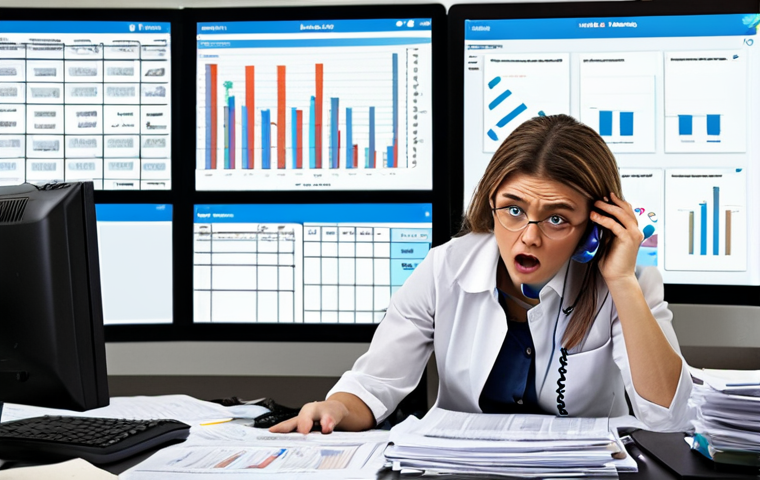
I’ve personally experienced those days where the phone rings off the hook with urgent patient queries just as I’m trying to finalize a detailed nutritional assessment, all while mentally preparing for an upcoming community workshop.
It’s a constant, intricate dance where one misstep can throw your entire day into disarray, leading to a ripple effect of missed deadlines or, worse, feeling disconnected from the very people we’re dedicated to helping.
This isn’t just about being busy; it’s about the emotional and mental load of juggling high-stakes responsibilities, knowing that every piece of advice we give directly impacts someone’s health journey.
The pressure is real, and it often feels like you’re perpetually playing catch-up, trying to be everywhere at once without compromising the quality of your care.
I’ve learned that simply working harder isn’t the answer; it’s about working smarter, about intentionally crafting your days to withstand the inevitable onslaught of professional demands without sacrificing personal well-being or patient outcomes.
It’s a continuous learning curve, adjusting and refining strategies as the demands evolve.
1. The Unseen Administrative Undercurrent
For many of us, the visible aspects of our job are patient consultations, group education, and perhaps even some clinical research. But beneath that surface lies a vast, often overwhelming sea of administrative tasks that can silently consume hours. I recall spending what felt like endless evenings poring over electronic health records, meticulously documenting every interaction, every recommendation, every follow-up. Then there are the insurance claims, the billing, the constant communication with other healthcare providers, the scheduling of appointments, and the never-ending stream of emails. It’s a crucial part of ensuring continuity of care and proper compensation, but it’s also a time sink that often goes unacknowledged. I’ve often felt a sense of frustration, knowing that these vital but repetitive tasks pull me away from direct patient engagement, which is what truly ignited my passion for this field. Finding ways to streamline or even automate these processes has become less of a luxury and more of an absolute necessity to prevent burnout and reclaim precious time.
2. Balancing Patient Care with Professional Development
The field of nutrition is dynamic; new research emerges daily, dietary guidelines shift, and technological advancements continuously reshape our practice. Staying abreast of these changes isn’t optional; it’s a professional imperative. I regularly dedicate time to reading peer-reviewed journals, attending webinars, and participating in continuing education courses. While incredibly enriching and vital for maintaining expertise and delivering the most up-to-date care, this commitment adds another layer to an already packed schedule. I remember a period where I was intensely focused on a complex case, deeply immersed in finding a tailored solution, but simultaneously felt the pressure to complete my annual continuing education credits. The tension between dedicating my full attention to a patient in need and ensuring my own professional growth was palpable. It’s about finding that delicate equilibrium, integrating learning opportunities into the rhythm of your week rather than treating them as separate, burdensome obligations. This balance is critical not just for our professional growth, but for the trust our patients place in us.
The Digital Dietitian’s Dilemma: Embracing Tech Without Losing Touch
The rise of digital health tools, from sophisticated nutrient analysis software to AI-powered dietary assessment apps, has undoubtedly revolutionized how dietitians operate.
On one hand, these innovations offer incredible promise: the ability to analyze dietary intake with unprecedented speed, personalize recommendations based on genetic data, and even monitor patient progress remotely.
I remember the initial excitement when I started experimenting with a new telehealth platform during the pandemic; it allowed me to connect with patients who otherwise wouldn’t have been able to access care due to geographical barriers or health limitations.
The convenience for both me and my patients was undeniable. Yet, as with any powerful tool, there’s a flip side. The sheer volume of data generated by these tools can be overwhelming, creating a new kind of “information overload.” Learning new software, troubleshooting technical glitches, and ensuring data security adds another layer of complexity to our already demanding roles.
My greatest concern, and one I’ve grappled with personally, is maintaining the human connection in an increasingly digital world. Nutrition counseling is deeply personal, often touching on sensitive topics like body image, food relationships, and emotional eating.
Relying too heavily on screens and algorithms risks losing that empathetic touch, that nuanced understanding of a person’s life context that truly informs effective dietary interventions.
It’s about leveraging technology to enhance, not replace, the irreplaceable human element of care.
1. Navigating the Information Overload from Digital Tools
Modern nutrition software and apps are fantastic for data collection and analysis. They can track food intake, activity levels, sleep patterns, and even integrate with wearable devices. The potential for personalized insights is immense. However, I’ve found that the sheer volume of data can quickly become overwhelming. Sifting through countless charts and graphs, trying to identify patterns and actionable insights, can take just as much time, if not more, than traditional methods. It’s a skill in itself to discern what data is truly relevant and how to interpret it meaningfully for each individual. I often felt like a data scientist, not just a dietitian, in those early days of adopting new platforms. It’s about developing a strategic approach to data, understanding what you need to know and how to quickly extract it, rather than getting lost in every single metric. Otherwise, these tools, instead of saving time, can actually add to the cognitive load.
2. The Imperative of Digital Literacy and Cybersecurity
Embracing technology means an ongoing commitment to digital literacy. Learning how to effectively use new software, troubleshooting common issues, and staying updated on platform features become part of the job description. More critically, as healthcare professionals, we are entrusted with sensitive patient data. This means a heightened awareness of cybersecurity risks and strict adherence to privacy regulations like HIPAA in the U.S. or GDPR in Europe. I’ve personally invested time in understanding secure communication channels and data storage protocols, recognizing that a single data breach could shatter patient trust and carry severe consequences. It’s a constant vigilance, staying informed about the latest threats and best practices, to ensure that the digital tools we use for efficiency don’t inadvertently create vulnerabilities for our patients’ private information. It’s a responsibility I take very seriously, knowing the trust my patients place in me extends to the digital realm.
Mastering the Clock: Real-World Strategies for Sustainable Practice
After several years of feeling like I was constantly chasing my tail, perpetually behind schedule, I realized something critical: simply wanting to be more efficient wasn’t enough.
I needed concrete, actionable strategies that were tailored to the unpredictable nature of a dietitian’s work. I’ve personally tried countless time management techniques, some of which worked brilliantly, and others that proved utterly impractical in the real-world clinic setting.
What I’ve found, through trial and error, is that the most effective strategies aren’t about rigid adherence to a timetable, but about building flexibility and resilience into your daily flow.
It’s about understanding your own energy cycles, recognizing peak productivity times, and structuring your most demanding tasks around those. For me, that meant tackling complex meal plans or research in the early morning, when my focus is sharpest, and saving administrative tasks for later in the day.
It also involved a deep dive into how I was actually spending my time versus how I thought I was spending it. This self-awareness was a game-changer. It allowed me to identify bottlenecks and unexpected time sinks, paving the way for more intentional scheduling and a greater sense of control over my workday.
This isn’t about becoming a robot; it’s about creating a sustainable rhythm that allows you to deliver high-quality care without burning out.
1. Prioritization and Batching: My Time-Saving Pillars
One of the most impactful shifts I made was truly embracing prioritization. Not just listing tasks, but ruthlessly asking: “What absolutely MUST get done today, and what can wait?” I found the Eisenhower Matrix incredibly helpful for categorizing tasks by urgency and importance. Then came batching. Instead of responding to every email as it came in, or drafting a single progress note after each patient, I started dedicating specific blocks of time to these similar tasks. For instance, an hour dedicated solely to email responses, or another hour just for charting. This significantly reduced context-switching, that mental cost of jumping between disparate tasks, which I’ve found to be a huge drain on productivity. I remember the relief I felt when I started batching, suddenly realizing I had longer stretches of uninterrupted focus, leading to more thorough work and less mental fatigue. It allows for a deeper dive into each task, rather than a superficial skim.
2. Leveraging the Power of Micro-Breaks and Pomodoro
It sounds counterintuitive, but taking regular, short breaks has dramatically improved my sustained focus. I used to power through, trying to get as much done as possible without stopping, only to find my concentration waning and mistakes creeping in. The Pomodoro Technique – working for 25 minutes, then taking a 5-minute break – became a revelation for me. Even a quick stretch, a walk to grab water, or simply stepping away from my screen for a few minutes can reset my mind. I’ve found these micro-breaks prevent decision fatigue and keep my energy levels more consistent throughout the day. It’s not about working less, but working smarter by honoring your brain’s natural need for periodic rest and rejuvenation. I personally noticed a significant reduction in the dreaded afternoon slump once I started incorporating these short, intentional pauses into my workflow.
Beyond the Plate: Cultivating Well-being in a High-Demand Career
The core of our work as dietitians is to guide others towards better health and well-being. But how effectively can we do that if our own well-being is constantly being eroded by the demands of our profession?
This is a question I’ve wrestled with deeply. There were times, particularly early in my career, when I felt like I was constantly pouring from an empty cup, giving so much to my patients that I had little left for myself.
The emotional toll of supporting individuals through challenging health journeys, coupled with the relentless pace, can lead to compassion fatigue and burnout if not addressed proactively.
I’ve personally learned that self-care isn’t a luxury; it’s a non-negotiable part of maintaining my capacity to serve others effectively. It’s not just about bubble baths and Netflix – though those have their place!
It’s about establishing clear boundaries, recognizing when to say ‘no,’ and intentionally carving out time for activities that truly replenish your energy and spirit.
For me, this has included dedicated time for exercise, engaging in hobbies completely unrelated to nutrition, and nurturing my relationships outside of work.
These aren’t just personal preferences; they are strategic investments in my professional longevity and the quality of care I can provide. Without this foundational self-care, even the most efficient time management strategies will eventually crumble under the weight of sustained stress.
1. Setting Boundaries and Learning to Say ‘No’
This was one of the hardest lessons for me to learn, and I’m still perfecting it. As dietitians, we are often inherently empathetic and eager to help, which can make it difficult to decline requests or set limits. However, I’ve found that constantly overextending myself leads to resentment, exhaustion, and ultimately, diminished quality of care. I had to learn to respectfully decline extra committee work that didn’t align with my core goals, or to push back on unrealistic deadlines. It felt uncomfortable at first, but the freedom and mental space it created were invaluable. Setting clear boundaries around work hours, patient communication, and even personal availability has allowed me to protect my time and energy more effectively. It’s about recognizing that saying ‘no’ to one thing often means saying ‘yes’ to something more important, whether that’s dedicated patient time or personal rest. This also extended to setting expectations with patients about communication outside of scheduled appointments; it ensures I’m present when I’m with them, and truly off when I’m not.
2. The Importance of Professional Peer Support
Working as a dietitian can sometimes feel isolating, especially if you’re in private practice or the sole dietitian in a smaller organization. I’ve personally found immense value in connecting with other dietitians, sharing experiences, venting frustrations, and celebrating successes. Whether it’s through professional organizations, online forums, or informal peer groups, having a network of colleagues who understand the unique challenges of the profession is incredibly validating and supportive. These conversations aren’t just about sharing tips on time management or difficult cases; they’re about emotional support, a reminder that you’re not alone in your struggles, and a source of motivation. I often leave these interactions feeling refreshed, with new perspectives and a renewed sense of purpose. It’s an invaluable part of maintaining mental resilience and preventing feelings of isolation from spiraling into burnout.
Reclaiming Your Time: Practical Tools and Techniques I Swear By
In my journey to find greater efficiency and less overwhelm, I’ve experimented with a myriad of digital tools and organizational techniques. What began as a scattered collection of apps and systems eventually streamlined into a toolkit that genuinely helps me manage the multifarious aspects of my dietitian practice.
It’s not about finding the ‘perfect’ tool, because honestly, that doesn’t exist. It’s about finding tools that seamlessly integrate into *your* specific workflow and alleviate *your* unique pain points.
For me, that meant embracing a robust scheduling system that handles appointments and reminders, a reliable project management tool for larger initiatives, and communication platforms that facilitate secure and efficient patient interaction.
I vividly remember the frustration of juggling multiple spreadsheets, sticky notes, and calendars, feeling like vital information was constantly slipping through the cracks.
The transition to integrated digital solutions was a game-changer, not just for saving time, but for reducing mental clutter and the constant worry of forgetting something important.
These tools, when used thoughtfully, empower me to focus more on the human element of my work rather than getting bogged down in logistical nightmares.
It’s about leveraging technology to create more space for what truly matters: dedicated patient care and my own well-being.
1. Digital Scheduling and Patient Management Systems
A well-implemented scheduling and patient management system is, in my opinion, non-negotiable for any dietitian looking to optimize their time. I’ve personally used systems that allow patients to book appointments online, automatically send reminders, and even handle initial intake forms digitally. This significantly reduces the back-and-forth email exchanges and phone calls that used to eat up so much of my administrative time. Moreover, having all patient information, consultation notes, and communication logs centralized in one secure place streamlines my workflow immensely. I can quickly pull up a patient’s history before a session, reducing prep time, and ensure that I’m always up-to-date on their progress. It also helps manage my no-show rates, which can be a significant drain on revenue and time for practitioners. This integration has been crucial for me, providing a holistic view of my practice and freeing up mental bandwidth that was previously consumed by tedious organizational tasks.
2. Task Automation and Template Utilization
I learned early on that many of the communications and documentation tasks I performed were repetitive. Instead of reinventing the wheel every time, I started creating templates for common emails (e.g., appointment confirmations, post-session summaries, follow-up reminders) and even for certain sections of my patient notes. Similarly, identifying tasks that could be automated, such as sending out educational resources after an initial consultation or scheduling follow-up surveys, has saved me countless hours. I remember the joy when I set up my first automated email sequence; it felt like I had a silent assistant working behind the scenes, ensuring patients received timely information without me having to manually trigger each message. It’s about working smarter, not harder, by identifying those recurring touchpoints and building systems that handle them efficiently. This allows me to dedicate my unique expertise to personalized patient interactions and complex problem-solving, rather than mundane, repeatable actions.
The Art of Delegation and Automation: Lightening the Load
Early in my career, I admit, I fell into the trap of thinking I had to do everything myself to ensure it was done “right.” This perfectionistic tendency, common among healthcare professionals, quickly led to overwhelm and stagnation.
The realization that some tasks could be effectively delegated or even automated was a revelation. It wasn’t about shirking responsibility; it was about strategically offloading tasks that didn’t require my specific, highly trained expertise, thereby freeing me up to focus on what truly moved the needle for my patients and my practice.
This shift in mindset was empowering. I started identifying administrative burdens, such as managing social media content calendars or initial patient intake calls, that could be handled by a virtual assistant or specialized software.
It felt like I was literally creating more hours in my day. The key, I’ve found, is to invest time upfront in training and setting clear expectations, ensuring that delegated tasks are performed to a high standard.
This initial investment pays dividends in the long run, leading to a much more sustainable and less stressful work environment. It’s a testament to the idea that sometimes, you have to spend a little to save a lot – not just money, but precious time and energy.
1. Strategic Delegation for Enhanced Focus
Delegation doesn’t necessarily mean hiring a full-time assistant; it can be as simple as outsourcing specific, non-clinical tasks. I’ve personally experimented with using virtual assistants for tasks like managing my calendar, organizing files, researching specific topics for blog posts, or even handling basic client inquiries. The beauty of virtual assistance is its flexibility; you can hire for a few hours a week or for specific projects. This allowed me to reclaim significant blocks of time that were previously consumed by these essential but non-core activities. It frees up my mental energy, allowing me to fully immerse myself in client consultations, develop new programs, or engage in professional development. It’s about recognizing your core competencies and strategically assigning other tasks to those who can perform them efficiently, allowing you to operate at the top of your license. The initial investment in finding the right support and training them properly is crucial, but the return in terms of reduced stress and increased capacity is immeasurable.
2. Automating Repetitive Processes: From Email to Reminders
The beauty of automation lies in its ability to handle mundane, repetitive tasks without any ongoing effort from you once set up. I’ve personally implemented automation for a variety of processes. This includes setting up automated email sequences for new patient onboarding, sending follow-up reminders for upcoming appointments or required documentation, and even automatically posting certain content to my social media channels. Think about any task you do repeatedly that doesn’t require complex decision-making or personal interaction – chances are, it can be automated. This not only saves me time but also ensures consistency in my communications and operations. I recall a time when I had to manually send out intake forms to every new patient; now, it’s all part of an automated workflow that triggers as soon as an appointment is booked. This kind of systematic efficiency ensures a smoother experience for patients and allows me to allocate my valuable time to more impactful, personalized interactions.
| Time-Saving Strategy | Key Benefit | Personal Impact |
|---|---|---|
| Digital Scheduling Systems | Reduced admin time, fewer no-shows | “Freed up 2-3 hours/week, less mental stress” |
| Task Batching | Improved focus, reduced context-switching | “Increased deep work blocks, enhanced productivity” |
| Automated Templates (Emails/Notes) | Consistency, speed in communication | “Saved 1 hour/day on repetitive writing” |
| Strategic Delegation | Focus on core competencies, reduced overwhelm | “Enabled scaling of services, better work-life balance” |
| Micro-Breaks/Pomodoro | Sustained concentration, prevented burnout | “Higher energy levels, fewer afternoon slumps” |
Building Resilient Routines: A Personal Blueprint for Professional Longevity
The idea of a “perfect” routine often feels like a mythical creature, especially in a profession as varied and human-centric as dietetics. However, I’ve found that even a flexible routine, one built on a foundation of resilience, is infinitely better than no routine at all.
It’s not about rigidly adhering to a minute-by-minute schedule, which is often impossible when patient needs can unpredictably shift. Instead, it’s about establishing a consistent rhythm to your work and personal life that acts as an anchor in the inevitable storms of professional demands.
For me, this has involved identifying key anchor points in my day – a consistent start time, scheduled breaks, and a clear end to my workday – around which the more fluid tasks can flow.
I’ve personally experienced the profound difference this structure makes, transforming chaotic days into manageable ones. It reduces decision fatigue, as many daily choices become automatic, freeing up mental energy for complex patient cases.
Moreover, a resilient routine incorporates built-in flexibility; it anticipates interruptions and allows for adjustment without derailing the entire day.
This proactive approach to managing my time and energy has been paramount in ensuring not just my professional longevity, but also my ability to consistently deliver high-quality, empathetic care without falling prey to the relentless pressures of the healthcare industry.
It’s a continuous experiment, tweaking and refining based on what works best for my evolving needs and the demands of my practice.
1. Designing Your Ideal Workday Flow
Designing an ideal workday isn’t about fitting everything in, but about thoughtfully sequencing tasks to align with your natural energy levels and the demands of your practice. I’ve personally experimented with various flows: some days starting with administrative tasks, others with creative content creation, and still others immediately diving into patient sessions. What I discovered was that my peak mental acuity is in the morning. So, I now front-load my day with the most cognitively demanding activities, like complex case reviews or drafting detailed reports. Afternoons are generally reserved for follow-ups, emails, and lighter administrative duties when my energy naturally dips. It’s about respecting your own biological rhythms rather than fighting against them. This also involves building in buffer time between appointments to allow for unexpected overruns or a quick mental reset, rather than rushing from one session to the next feeling perpetually breathless. This intentional design has transformed my workday from a reactive scramble into a more proactive and controlled experience, reducing stress and improving the quality of my output.
2. The Power of a Consistent Wind-Down Routine
Just as important as a productive start to the day is a deliberate wind-down routine. As dietitians, we often absorb a lot of emotional energy from our patients. If we don’t consciously transition out of work mode, that energy can spill over into our personal lives, impacting sleep and overall well-being. I’ve personally established a clear end-of-day ritual: I review my to-do list for the next day, close all work-related tabs on my computer, and then engage in an activity completely unrelated to work – whether it’s reading a physical book, going for a walk, or spending time with family. This mental bookmark signals to my brain that the workday is over. It helps me leave behind the worries of patient cases and the endless to-do lists, preventing that common feeling of being perpetually “on.” This conscious separation is not only vital for restful sleep but also for nurturing my personal relationships and hobbies, which ultimately contribute to my resilience and ability to show up fully for my patients the next day. It’s about replenishing the well from which you draw your professional energy.
Beyond the Clinical: Investing in Your Passion Projects and Personal Growth
It’s easy for our professional identities to consume our entire lives, especially in a demanding field like dietetics where the lines between work and passion often blur.
However, I’ve come to realize that true professional longevity and fulfillment don’t come solely from excelling in clinical practice, but also from nurturing interests and projects completely separate from our immediate day-to-day work.
For me, this has meant carving out time for creative writing, exploring new cuisines just for fun (without analyzing their nutritional content!), and dedicating myself to a fitness routine that isn’t about calorie burning but pure enjoyment.
I remember a period when I felt guilty for spending time on these “non-work” activities, thinking I should be using every spare moment to learn more about a new dietary theory or refine a patient handout.
But what I discovered was the opposite: engaging in these passion projects invigorated my mind, provided a much-needed mental break, and often sparked new ideas that indirectly enhanced my professional work.
It’s about having outlets that recharge you in a different way, preventing mental fatigue and fostering a more holistic sense of self. This isn’t just about avoiding burnout; it’s about cultivating a richer, more balanced life that inherently makes you a more effective, compassionate, and resilient professional.
1. Fueling Creativity Outside of Client Work
Our work as dietitians often involves a degree of creativity—whether it’s devising innovative meal plans, creating engaging educational materials, or finding unique ways to motivate patients. However, the demands of clinical practice can sometimes stifle that creative spark. I’ve found that actively pursuing creative outlets outside of my professional duties helps keep that flame alive. For instance, I’ve taken up painting again, a hobby I loved in college but had neglected for years. The sheer act of focusing on colors and textures, without any analytical or problem-solving demands, provides a refreshing mental break. Sometimes, these seemingly unrelated creative endeavors even spark new ideas for my practice, perhaps a new way to visualize a complex nutritional concept for a patient, or a more engaging approach to group education. It’s about feeding your brain with novel stimuli, allowing it to rest and reform connections, which ultimately benefits your professional problem-solving abilities and keeps your mind agile.
2. Learning for the Joy of It: Non-Work Related Skills
In a world that constantly pushes us towards professional development, there’s immense value in learning a skill purely for the joy of it, with no direct professional application. I remember deciding to learn basic woodworking a few years ago. It had absolutely nothing to do with nutrition or dietetics, but the process of conceptualizing, measuring, cutting, and assembling provided a completely different kind of mental engagement. It was a tangible accomplishment outside of the often-abstract world of health outcomes. This kind of learning, driven by curiosity rather than necessity, can be incredibly rejuvenating. It builds confidence in a different domain, offers a sense of mastery, and provides a mental escape from professional pressures. These diversified skills and interests contribute to a more well-rounded individual, which paradoxically, often makes us more resilient and resourceful professionals in the long run. It’s about expanding your identity beyond your job title, recognizing that your full, vibrant self is your greatest asset.
Concluding Thoughts
As dietitians, our journey is a continuous calibration between science and compassion, efficiency and connection. I’ve personally found that truly thriving in this demanding profession isn’t just about mastering nutritional science; it’s about mastering ourselves – our time, our energy, and our boundaries. By embracing strategic planning, leveraging smart technology, and prioritizing our own well-being, we don’t just survive the daily dance with demands; we lead it. This empowers us to deliver not just expert advice, but truly empathetic and sustainable care, ensuring both our longevity in the field and the best outcomes for those we serve.
Useful Information & Resources
1. Professional Organizations: Engage with professional bodies like the Academy of Nutrition and Dietetics (AND) or the British Dietetic Association (BDA). They offer invaluable continuing education, networking, and advocacy, keeping you updated and connected.
2. Secure Practice Management Software: Invest in HIPAA-compliant (or GDPR-compliant, depending on your region) software. Look for features like integrated scheduling, secure messaging, and electronic health records to centralize your workflow and protect patient data.
3. Time Management Apps: Explore tools like Asana, Trello, or Todoist for task management, and dedicated Pomodoro timers or focus apps to help structure your deep work sessions and ensure regular breaks.
4. Peer Supervision & Mentorship: Actively seek out opportunities for peer supervision or find a mentor. Discussing challenging cases or workflow issues with experienced colleagues can provide new perspectives and emotional support, preventing professional isolation.
5. Self-Care Checklists: Create a personalized self-care checklist or routine that you review regularly. This could include daily physical activity, mindfulness practices, hobby time, or dedicated time away from screens to consciously replenish your energy reserves.
Key Takeaways
Navigating the demands of a dietitian’s career requires more than just clinical expertise; it demands strategic time management, effective use of technology, and an unwavering commitment to personal well-being. By prioritizing, delegating, automating, and fostering strong professional boundaries, you can cultivate a sustainable and fulfilling practice. Remember, investing in your own capacity and growth is not a luxury, but a necessity for delivering the highest quality of care and ensuring your longevity in this impactful profession.
Frequently Asked Questions (FAQ) 📖
Q: How are dietitians truly managing the current surge in demand for hyper-personalized nutrition and the integration of
A: I tools, especially with the constant time pressure? A1: Honestly, it felt a bit like trying to drink from a firehose at first. When you’re already swamped with patient consultations and planning, the idea of adding “mastering AI tools” to your plate can feel overwhelming.
But what I’ve personally found is that it’s less about becoming a tech wizard overnight and more about strategically leveraging these tools. For instance, I use AI-powered platforms to quickly analyze patient dietary logs or cross-reference nutrient interactions, which would literally take hours manually.
This doesn’t replace my critical thinking or empathy, not by a long shot. Instead, it frees me up for the nuanced discussions, the emotional support, and the genuine connection that AI simply can’t replicate.
It’s about working smarter, not just harder, to deliver that truly bespoke advice without completely losing your evenings to admin.
Q: With the future of healthcare leaning so heavily into preventative care and holistic wellness, what does this expansion of roles truly mean for a dietitian’s daily work, and how does it impact work-life balance?
A: It means we’re no longer just the ‘food police’ or the ones who hand out meal plans. Our role has expanded into a much broader, more integrated health coach position.
We’re now delving deeper into lifestyle factors – sleep patterns, stress management, even a client’s relationship with food on an emotional level. This shift is incredibly rewarding because you’re addressing the whole person, not just their diet.
However, it also adds layers of complexity to each session and requires more interdisciplinary communication with other healthcare providers. For work-life balance, this can be a double-edged sword.
While the work itself is more fulfilling, the sheer breadth of responsibility means you have to be incredibly disciplined with your time. I’ve personally had to learn to set firm boundaries, like turning off notifications after a certain hour, because the work truly is never “done” if you let it consume you.
Q: Burnout is a real concern in healthcare. What practical, on-the-ground strategies have you found most effective in maintaining efficiency and avoiding burnout amidst these increasing pressures?
A: Burnout isn’t just a buzzword; it’s a very real threat in our field, and I’ve certainly felt its creeping tendrils. The single most effective strategy for me has been ruthless prioritization and time blocking.
I learned the hard way that if I don’t intentionally schedule time for administrative tasks, research, and — critically — self-care, those things simply won’t happen.
I literally block out an hour each morning for paperwork and another half-hour in the afternoon for follow-ups. And for self-care, whether it’s a quick walk, reading a non-work book, or just enjoying a cup of tea in silence, that time is non-negotiable.
It truly hit home for me that you can’t pour from an empty cup, and our patients deserve our best, most present selves. So, leaning into smart tech for mundane tasks, saying ‘no’ when my plate is truly full, and consciously unplugging have been my lifelines.
📚 References
Wikipedia Encyclopedia
구글 검색 결과
구글 검색 결과
구글 검색 결과
구글 검색 결과
구글 검색 결과