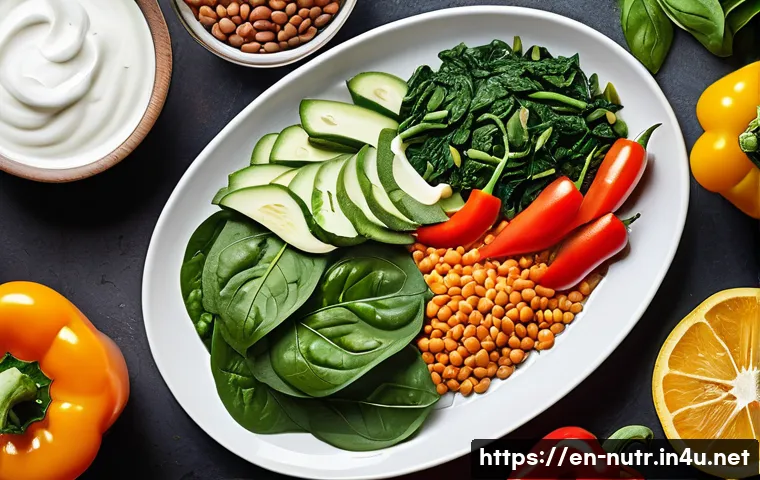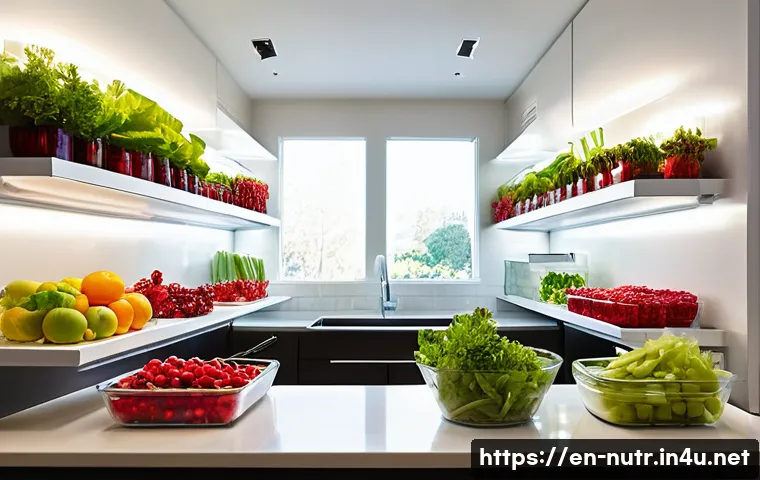
Ever feel like navigating the world of healthy eating and sustainable living is like trying to solve a complex puzzle? I totally get it. With so many new diets, superfoods, and environmental concerns popping up daily, it’s easy to feel overwhelmed.
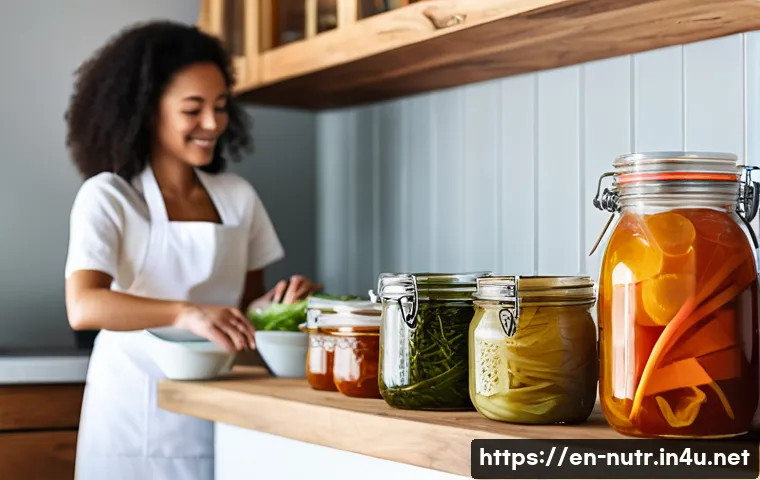
But what if I told you that the secret to a healthier you and a happier planet lies in understanding two fascinating, rapidly evolving fields: the wisdom of nutritionists and the incredible innovations in food preservation?
I’ve personally seen how a little expert guidance can transform grocery runs and meal prep from a chore into an exciting journey toward wellness and minimal waste.
From smart fridges powered by AI that help us extend shelf life, to ancient techniques like fermentation making a huge comeback, we’re on the cusp of a food revolution.
This isn’t just about saving money or reducing your grocery trips; it’s about unlocking maximum nutritional value from every bite, making conscious choices that support our bodies and the environment, and embracing a future where food is both abundant and responsibly managed.
It’s a game-changer, believe me. There’s a real buzz happening right now where cutting-edge science meets our daily plates, and it’s all about how we keep our food fresh, nutritious, and truly delicious for longer.
It’s not just about what we eat, but how we nurture our food from farm to fork, minimizing waste and maximizing goodness. Ready to uncover some truly amazing insights that could change the way you interact with food forever?
Let’s dive in and discover exactly how nutritionists and food preservation techniques are reshaping our kitchens and our world.
Mastering the Art of Longevity: Beyond the Basic Fridge Life
Have you ever stared into your fridge, wondering if those berries are still good or if that leftover casserole has seen better days? I certainly have!
It’s a common struggle, and it’s a huge contributor to food waste in homes across the globe. But what if I told you there are simple, game-changing strategies, often championed by nutritionists, that can significantly extend the life of your fresh produce and prepared meals?
My own kitchen routine was totally transformed when I started implementing some of these methods. It’s not just about tossing things in the back of the fridge and hoping for the best; it’s about understanding the unique needs of different foods and giving them the TLC they deserve.
From the optimal way to store leafy greens to making sure your avocados ripen just right, these insights are practical and incredibly effective. I’ve personally found that a little bit of upfront effort in proper storage saves me so much money and hassle in the long run.
It’s like giving your food a mini spa treatment to keep it vibrant and nutritious for longer.
The Green Zone: Keeping Your Produce Crisp and Nutritious
When it comes to fruits and veggies, one size definitely doesn’t fit all. I used to just dump everything into the crisper drawer, but I quickly learned that some produce thrives on moisture, while others prefer to be kept dry.
For instance, did you know that wrapping your celery or broccoli in aluminum foil can keep it fresh for weeks, not just days? It’s a trick I picked up from a friend who’s a whiz in the kitchen, and it genuinely works wonders.
Berries, on the other hand, love a good vinegar bath – a quick rinse in a solution of one part vinegar to three parts water helps eliminate mold spores, dramatically extending their shelf life.
Just make sure to dry them thoroughly before storing! My biggest revelation, though, was realizing how much ethylene gas certain fruits produce. Keeping ethylene producers like apples and bananas away from ethylene-sensitive items such as leafy greens and potatoes can prevent premature spoilage.
It’s like separating the chatty extroverts from the quiet introverts at a party; everyone does better when they’re in the right company.
From Pantry Staples to Prepared Plates: Smart Storage Solutions
It’s not just fresh produce that benefits from smart storage; your pantry staples and cooked meals deserve attention too. I’ve learned the hard way that open bags of grains or pasta are an invitation for pantry pests.
Investing in airtight containers for flour, sugar, rice, and even cereal is a total game-changer, keeping things fresh and bug-free. As for leftovers, I’ve made it a habit to cool them down quickly and store them in shallow containers to prevent bacterial growth.
Freezing meals in individual portions has also been a revelation for me. It’s not only a fantastic way to preserve food, but it also means I always have a healthy, homemade option ready when I’m too busy to cook.
I’ve even started freezing herbs in olive oil cubes, which is perfect for adding a burst of flavor to soups and stews later on. These little hacks really add up, making a significant impact on both my grocery bill and my overall food waste.
The Ancient Art of Modern Wellness: Fermentation’s Revival
There’s something truly magical happening in kitchens worldwide, and it’s a practice that’s been around for millennia: fermentation. What once was primarily a means of food preservation is now celebrated for its incredible health benefits, especially for gut health.
I’ve been experimenting with fermentation for a couple of years now, and the difference I’ve felt in my own digestive system is remarkable. It’s not just about making tasty pickles or tangy sourdough; it’s about creating living foods packed with beneficial bacteria that can do wonders for your overall well-being.
Nutritionists are consistently highlighting the importance of a diverse gut microbiome, and fermented foods are a fantastic, natural way to achieve just that.
The process itself feels a bit like alchemy – taking simple ingredients and transforming them into something profoundly nourishing. And the best part?
It’s surprisingly accessible, even for beginners.
Bringing the Buzz Home: Easy Fermentation for Everyone
I know, the idea of fermenting food at home might sound a little intimidating at first, conjuring images of science experiments gone wrong. But trust me, it’s much simpler than you think!
My journey started with a basic sauerkraut recipe, and I was genuinely amazed at how easy it was. All you really need are cabbage, salt, and a jar. The bacteria naturally present on the cabbage do all the work, transforming it into a probiotic powerhouse.
From there, I ventured into making my own kombucha, a fizzy, fermented tea that’s become a favorite refreshing drink in my household. The key, I’ve found, is to start small, follow reputable recipes, and not be afraid to experiment a little.
There are countless online resources and communities dedicated to home fermentation, offering endless inspiration and support. It’s a truly rewarding experience, not just for the delicious results but for the sense of accomplishment you get from making your own healthy, living foods.
More Than Just Probiotics: The Nutritional Boost of Fermented Foods
While probiotics are a major draw, the benefits of fermented foods extend far beyond gut health. The fermentation process can actually increase the bioavailability of nutrients, making them easier for your body to absorb.
For example, fermenting grains can break down anti-nutrients like phytic acid, allowing for better absorption of minerals. I’ve also noticed a real depth of flavor that fermentation adds to dishes – it’s an umami bomb that enhances everything from salads to sandwiches.
Think about the rich, complex notes in a good kimchi or the subtle tang of a homemade yogurt. It’s a way to elevate your culinary game while simultaneously boosting your health.
Plus, many fermented foods, like tempeh, are fantastic plant-based protein sources. It’s truly a win-win situation, adding incredible flavor, extending shelf life, and delivering a powerful nutritional punch all at once.
Innovative Kitchen Tech: The Future of Freshness is Here
Our kitchens are evolving at an incredible pace, and the advent of smart technology is completely reshaping how we approach food preservation and management.
I’ve always been a bit of a tech enthusiast, so seeing how innovations are making healthy eating and sustainable living easier has been truly exciting.
We’re moving beyond just smart refrigerators; now, there are gadgets and apps designed to help us track inventory, monitor food freshness, and even suggest recipes based on what we have on hand.
It’s like having a personal kitchen assistant, constantly working to minimize waste and maximize the nutritional value of our meals. For someone who leads a busy life, these tools are invaluable.
They don’t just save time; they empower us to make smarter, more conscious decisions about the food we consume and how we store it.
Smart Gadgets and Apps: Your Personal Food Waste Warriors
I’ve been exploring some of these newer kitchen gadgets, and some of them are truly revolutionary. Take vacuum sealers, for instance. They’re not exactly new, but the latest models are incredibly efficient, extracting almost all the air from food packaging to dramatically slow down spoilage.
I use mine for everything from fresh produce to meats, and it truly keeps things fresher for so much longer in the fridge or freezer. Then there are smart kitchen scales that can track your ingredients and integrate with recipe apps, helping you manage portions and inventory.
And let’s not forget the myriad of apps designed to help you organize your pantry, track expiration dates, and even connect with local food waste initiatives.
I’ve started using an app that reminds me when items are nearing their expiry, which has been incredibly effective in preventing forgotten food from going bad.
It’s all about making informed choices, and these tools provide the data and nudges we need.
AI in Your Fridge: Extending Shelf Life with Predictive Power
Perhaps one of the most fascinating developments is the integration of AI into our refrigeration systems. Imagine a fridge that not only tells you what you have but also predicts when items might spoil and suggests recipes to use them up before they do.
This isn’t science fiction anymore; it’s becoming a reality. These smart appliances can monitor internal conditions, track inventory through RFID tags or cameras, and even analyze your usage patterns.
My dream fridge would definitely have this kind of predictive capability, making grocery shopping lists smarter and virtually eliminating the “mystery mold” in the back of the crisper drawer.
While some of this tech is still emerging, the direction is clear: our kitchens are becoming proactive partners in our quest for healthier, more sustainable eating.
It’s a truly exciting prospect to think about how much food waste could be prevented with widespread adoption of such intelligent systems.
Nutritionist-Approved Strategies: Eating Smarter, Not Just Harder
It’s easy to get lost in the sea of diet trends and conflicting nutritional advice, but at its core, healthy eating doesn’t have to be complicated. What I’ve learned from countless nutrition experts is that it often comes down to fundamental principles, many of which beautifully intersect with smart food preservation.
It’s not about restrictive diets; it’s about nourishing your body with wholesome foods and making conscious choices that support your long-term health.
When we pair nutritional wisdom with effective preservation techniques, we unlock a powerful synergy that makes healthy eating more accessible, more affordable, and frankly, more enjoyable.
My own plate has become so much more vibrant and diverse since I started focusing on these two areas.
Maximizing Nutrients: Why Preservation Matters to Your Health
The way we preserve our food directly impacts its nutritional value. Think about it: fresh produce loses nutrients over time, and improper storage can accelerate this decline.
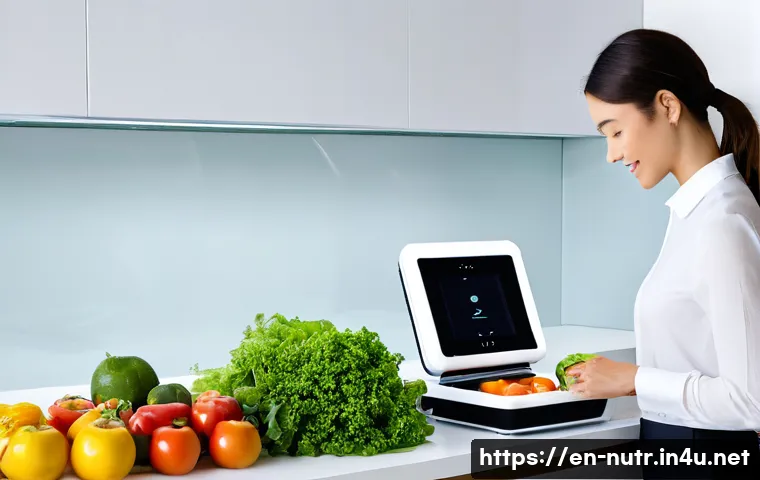
That’s why techniques like freezing, canning, and even proper refrigeration are so crucial. When I freeze my garden herbs, for instance, I know I’m locking in their peak flavor and nutritional content to enjoy months later.
Similarly, opting for flash-frozen vegetables can often mean you’re getting more nutrients than “fresh” produce that has traveled long distances and sat on a shelf for days.
Nutritionists often emphasize consuming a wide variety of whole foods, and preservation methods enable us to do that consistently, regardless of season or immediate availability.
It’s about ensuring that every bite is as nutrient-dense as possible, contributing positively to your overall well-being.
Building a Balanced Plate: Practical Tips from the Experts
Beyond just preserving food, nutritionists constantly offer invaluable advice on how to structure our meals for optimal health. A consistent piece of advice I’ve heard is to “eat the rainbow,” ensuring a diverse intake of fruits and vegetables to get a broad spectrum of vitamins, minerals, and antioxidants.
Another key takeaway for me has been the importance of balanced macronutrients – combining lean protein, healthy fats, and complex carbohydrates at each meal to promote satiety and sustained energy.
And here’s where preservation ties in: if you’ve prepped a batch of roasted vegetables and frozen some lean protein, assembling a nutritious meal becomes incredibly quick and easy, even on your busiest days.
It takes the guesswork and stress out of healthy eating, allowing you to focus on enjoying your food and feeling good.
The Green Revolution: Sustainable Eating Starts in Your Kitchen
Embracing sustainable eating habits can feel like a daunting task, but I’ve come to realize that some of the most impactful changes start right in our own kitchens.
It’s not just about grand gestures; it’s about the cumulative effect of small, conscious choices we make every day. By integrating effective food preservation techniques and adopting a “waste not, want not” philosophy, we can significantly reduce our environmental footprint and contribute to a healthier planet.
I’ve personally felt a huge sense of satisfaction knowing that I’m doing my part, however small, to combat food waste and support more sustainable food systems.
It’s a powerful connection between our individual actions and global well-being.
Reducing Your Footprint: Tackling Food Waste Head-On
Food waste is a massive global issue, and it’s something we can all address directly. I used to be guilty of buying too much, letting produce wilt, and tossing leftovers without a second thought.
But by focusing on smart shopping, meal planning, and utilizing preservation techniques, I’ve drastically cut down on what ends up in my compost bin (or worse, the landfill).
Simple habits like checking my fridge and pantry before shopping, making a list, and then sticking to it, have been game-changers. Also, embracing “ugly” produce, which is perfectly good but often overlooked, is another easy way to contribute.
It’s about shifting our mindset from convenience at any cost to mindful consumption. Every little bit truly helps when it comes to combating the staggering amount of food that goes to waste each year.
From Local Farms to Your Freezer: Supporting Sustainable Food Systems
Beyond just reducing waste at home, our choices about where we source our food also play a crucial role in sustainability. I’m a huge advocate for supporting local farmers and farmers’ markets whenever possible.
Not only do you get incredibly fresh, often organic, produce, but you also reduce the carbon footprint associated with long-distance transportation. And this is where preservation techniques become even more valuable.
When I buy a bushel of tomatoes from my local farmer, I can turn them into sauce or diced tomatoes to enjoy all winter long, effectively extending the local harvest.
It’s a beautiful cycle: supporting local producers, reducing food miles, and then preserving that goodness to reduce waste and enjoy seasonal flavors year-round.
It’s a delicious way to contribute to a more resilient and sustainable food system.
| Preservation Method | Key Benefits | Best For | Considerations |
|---|---|---|---|
| Refrigeration | Extends short-term freshness, preserves nutrients well. | Most fruits, vegetables, dairy, cooked leftovers. | Limited shelf life (days to a week); can cause some nutrient loss over time. |
| Freezing | Longest preservation method, locks in peak nutrients and flavor. | Fruits, vegetables, meats, prepared meals, baked goods. | Requires proper packaging to prevent freezer burn; some texture changes upon thawing. |
| Fermentation | Enhances flavor, creates probiotics, increases nutrient bioavailability. | Cabbage, cucumbers, dairy, tea (kombucha), grains. | Requires specific temperatures and conditions; can be an acquired taste. |
| Drying/Dehydration | Removes moisture to inhibit spoilage, concentrates flavors. | Fruits, vegetables, herbs, meats (jerky). | Requires a dehydrator or oven; can alter texture significantly. |
| Canning | Long-term shelf stability without refrigeration, great for seasonal gluts. | Fruits, vegetables, jams, sauces, pickles. | Requires specialized equipment and careful adherence to safety guidelines. |
Eating for a Better You and a Better Planet: Holistic Health Approaches
The journey to a healthier lifestyle isn’t just about what’s on your plate; it’s about the entire ecosystem of your food choices, from how it’s grown to how it’s managed in your home.
I’ve found that when I approach food with a holistic mindset – considering both my personal well-being and the planet’s health – everything falls into place more naturally.
It’s a beautiful intertwining of self-care and environmental stewardship, demonstrating that what’s good for us is often good for the Earth too. Nutritionists increasingly emphasize this broader perspective, moving beyond just calorie counting to a more comprehensive understanding of food’s impact.
It truly makes the entire experience of eating more meaningful and fulfilling.
From Mindful Eating to Mindful Sourcing: Connecting with Your Food
One of the most profound shifts I’ve experienced is moving towards more mindful eating, which naturally extends to how I source and preserve my food. It’s about slowing down, appreciating where our food comes from, and understanding the effort involved in bringing it to our tables.
This heightened awareness naturally leads to less waste and a greater appreciation for preservation techniques. When you mindfully select fresh, seasonal ingredients and then thoughtfully preserve them, you’re not just saving food; you’re investing in your health and respecting the resources that went into producing it.
It’s a stark contrast to thoughtlessly tossing expired items, and I genuinely believe it fosters a deeper, more positive relationship with food itself.
This connection is vital for sustained healthy habits.
The Future of Your Plate: Building Resilient Food Habits
Looking ahead, the skills we develop in understanding nutrition and mastering food preservation aren’t just trendy; they’re essential for building resilient, sustainable food habits.
As global challenges like climate change and supply chain disruptions become more prevalent, having the knowledge to make the most of our food resources will be invaluable.
I feel so much more empowered knowing that I can extend the life of fresh produce, create nutrient-dense fermented foods, and confidently manage my pantry to minimize waste.
These aren’t just “tips”; they’re life skills that contribute to personal well-being and collective resilience. It’s about creating a future where our plates are not only delicious and healthy but also responsible and sustainable, reflecting a deep respect for both our bodies and our planet.
Wrapping Things Up
And there you have it, my friends! We’ve journeyed through the fascinating world of food preservation, from timeless techniques to cutting-edge kitchen tech, all designed to make your life easier and your plate healthier. What started for me as a simple desire to reduce waste quickly blossomed into a passion for truly understanding and appreciating my food. It’s been such a rewarding experience, not just for my grocery budget and the planet, but for my own well-being too. I genuinely hope these insights inspire you to experiment a little, maybe try freezing those herbs or finally get that vacuum sealer you’ve been eyeing. Remember, every small step makes a difference!
Handy Kitchen Wisdom You’ll Adore
1. Always check your fridge and pantry before heading to the grocery store. This simple habit is a game-changer for preventing impulse buys and reducing food waste, saving you money and stress in the long run.
2. Invest in good quality airtight containers. They’re invaluable for keeping pantry staples fresh and organized, and they’re perfect for safely storing leftovers, making meal prep a breeze and extending food life significantly.
3. Embrace your freezer! It’s a superpower for preserving seasonal produce, leftover meals, and even baked goods. Portioning things out before freezing means you always have quick, healthy options on hand, making busy weeknights so much easier.
4. Don’t be afraid of fermentation. Starting with something as simple as homemade sauerkraut can open up a world of flavor and incredible gut health benefits. There are tons of beginner-friendly recipes online to guide you.
5. “First in, first out” isn’t just for restaurants. Practice rotating your food items in the fridge and pantry, moving older items to the front. This mindful approach ensures you use things before they expire, minimizing waste effortlessly.
Key Takeaways for a Fresher Future
My journey into smarter food management has genuinely transformed not just my kitchen, but my entire approach to eating and living. It’s not about complex rules or expensive gadgets, but rather a blend of common sense, a little bit of knowledge, and a genuine desire to make the most of the food we bring home. What I’ve really taken to heart is how these practices beautifully intertwine with our health and the health of the planet. By consciously extending the life of our food, whether through proper refrigeration, clever freezing, or the magic of fermentation, we’re doing so much more than just saving a few dollars; we’re actively nourishing our bodies and contributing to a more sustainable world.
It’s become clear to me that a holistic perspective on food is the most powerful. This means not only appreciating the nutritional value of what we eat but also understanding its journey from farm to plate and its potential for waste if not managed mindfully. From the simple act of properly storing a bunch of fresh berries to leveraging the incredible potential of smart kitchen tech, every choice we make adds up. Ultimately, by embracing these nutritionist-approved strategies and innovative techniques, we empower ourselves to build resilient food habits that serve us well, now and in the future, making our plates healthier, our lives easier, and our impact on the world more positive. It’s an incredibly rewarding feeling, and one I truly believe everyone can experience.
Frequently Asked Questions (FAQ) 📖
Q: “With so many new diets and superfoods constantly in the spotlight, how can a nutritionist actually help me cut through the noise and make truly healthy choices?”
A: Oh, I hear you loud and clear! It feels like there’s a new “must-try” diet or miracle superfood every other week, right? It can be absolutely dizzying trying to figure out what’s genuinely good for you.
From what I’ve personally experienced, a fantastic nutritionist isn’t just about handing you a meal plan; they’re more like your personal food detective, helping you understand your unique body and its needs.
They can translate all that complex science into practical, everyday advice that actually sticks. For example, I used to fall for every trendy detox, only to feel deprived and frustrated.
It wasn’t until a brilliant nutritionist helped me understand how my metabolism really works and which whole foods truly energized me that things clicked.
They’ll look at your lifestyle, your energy levels, and even your gut health, which we now know is super important for everything from mood to immunity.
It’s not about restriction; it’s about empowerment through knowledge, helping you build a sustainable way of eating that you actually enjoy, rather than just tolerating.
Think of them as your guide to transforming those confusing grocery aisle choices into confident, nourishing decisions. They equip you with the “why” behind the “what,” making healthy eating less of a chore and more of an intuitive, lifelong habit.
Q: “You mentioned exciting innovations in food preservation, from
A: I fridges to ancient techniques. What are some of these breakthroughs, and how can they really make a difference in my kitchen and reduce waste?”A2: This is where it gets truly fascinating, and honestly, a bit like science fiction becoming reality in our kitchens!
I’ve been completely blown away by how much food preservation has evolved. On one hand, we have these incredible high-tech solutions like “smart fridges” powered by AI.
I’ve heard stories, and even seen prototypes, of fridges that can track your inventory, suggest recipes based on what’s about to expire, and even adjust humidity levels for different produce, helping extend shelf life by days, sometimes even a week!
Imagine less wilted lettuce and fewer mystery leftovers. Then, on the other end of the spectrum, we’re seeing a massive resurgence in ancient preservation methods, but with a modern twist.
Fermentation, for instance, isn’t just for pickles anymore. People are making their own kombucha, kimchi, and sourdough, not only to preserve food but also to boost their gut health with beneficial probiotics.
Dehydration techniques have also come a long way, allowing us to easily preserve fruits, vegetables, and even herbs without losing their nutritional punch.
I recently experimented with dehydrating my own herb garden bounty, and let me tell you, having fresh basil flavor in the middle of winter is a total game-changer!
These techniques, both high-tech and traditional, are all about minimizing that heartbreaking food waste in our homes and ensuring we get the maximum nutritional value from every single bite.
It’s a win-win for your wallet and the planet.
Q: “How do these two seemingly separate worlds – expert nutritional advice and advanced food preservation – actually work together to create a more sustainable and healthier lifestyle for us everyday folks?”
A: That’s the million-dollar question, isn’t it? It might seem like two different topics, but trust me, when you weave them together, that’s when the real magic happens for your health and for the environment.
I’ve found that understanding this connection completely reshapes how I approach food. Think about it: a nutritionist helps you identify the nutrient-dense foods your body craves.
But what good is that knowledge if those healthy greens spoil before you can eat them, or if the expensive organic berries you bought lose their potency sitting in your fridge?
This is where preservation steps in. By applying smart preservation techniques—whether it’s knowing the best way to store leafy greens for maximum freshness, freezing seasonal produce, or even fermenting vegetables to create probiotic-rich snacks—you’re not just extending the life of your food.
You’re actively safeguarding its nutritional integrity. I mean, I’ve personally felt the difference in my energy levels when I consistently eat fresh, well-preserved food versus relying on less nutritious options because my healthy groceries went bad.
It also means you can buy in bulk when things are in season and cheaper, preserve them, and enjoy them year-round, saving you money and reducing your carbon footprint from multiple grocery trips.
It’s all about creating a seamless cycle: make informed nutritional choices, then use preservation to ensure those choices actually make it to your plate with all their goodness intact.
It’s truly a holistic approach to wellness and mindful living, making every meal a step toward a healthier you and a healthier planet.