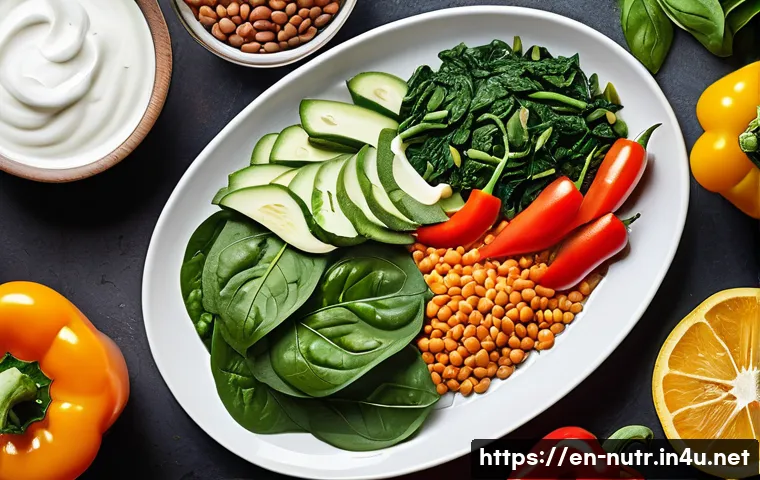
Ever dreamt of turning your passion for food and well-being into a thriving career? Becoming a dietitian is an incredibly rewarding path, one where you directly impact lives by guiding people toward healthier choices and helping them manage complex health conditions.
It’s not just about knowing your macros; it’s about connecting with individuals, understanding their unique needs, and navigating a complex medical landscape.
But let me tell you, getting there isn’t always a straightforward journey. When I was starting out, I definitely wished I had a crystal ball to show me exactly what I needed to do and what pitfalls to avoid, especially with how quickly the industry is evolving.
The field of nutrition and dietetics is dynamic, with new research, trends like personalized nutrition, and the rise of telehealth constantly reshaping the role of a dietitian.
It’s more than just ticking boxes for degrees and internships; it’s about building a robust skillset, networking effectively, and staying ahead of the curve to truly make an impact.
From understanding the nuances of clinical practice to embracing the latest advancements in dietary science, there’s a lot to consider. I’ve seen countless aspiring dietitians feel overwhelmed by the sheer volume of requirements and the competitive landscape, wondering if they’re truly prepared for what lies ahead.
That’s precisely why I’ve put together everything I’ve learned, both through my own experiences and observing the most successful professionals in the field, to give you a clear roadmap.
Getting all your ducks in a row before you even start can make all the difference, trust me. Let’s thoroughly explore exactly what you’ll need to kickstart your career as a registered dietitian, ensuring you’re not just ready, but truly set up for success in this incredible profession.
We’ll uncover the essentials, the hidden gems, and the game-changing tips to get you there with confidence. We’ll definitively break down everything you need to know!
Laying the Academic Groundwork

It really all starts in the classroom, doesn’t it? When I first plunged into my dietetics degree, I was honestly surprised by the sheer depth of scientific knowledge required.
It’s not just about knowing which foods are “good” or “bad” – it’s a deep dive into biochemistry, physiology, microbiology, and even genetics. You’ll spend countless hours learning about how nutrients are metabolized, the intricate dance of hormones in the body, and how various disease states impact nutritional needs.
I remember nights pouring over textbooks, feeling like my brain was going to explode, but every single concept built a crucial foundation. This rigorous scientific education isn’t just for passing exams; it directly translates to your ability to critically evaluate research, understand complex patient cases, and provide evidence-based care.
Without this strong academic base, you’d be guessing, and in a field where people’s health is at stake, that’s simply not an option. It’s truly about becoming an expert in human nutrition at a cellular and systemic level.
Mastering the Science of Nutrition
Getting that solid scientific foundation is non-negotiable. You’ll tackle subjects like organic chemistry, anatomy and physiology, advanced nutrition science, and medical nutrition therapy.
These aren’t just abstract concepts; they’re the bedrock upon which all your clinical decisions will be made. I vividly recall struggling with the Krebs cycle in biochemistry, thinking “Will I *really* use this?” And guess what?
Understanding those metabolic pathways became absolutely essential when I later had to explain insulin resistance to a patient or formulate a meal plan for someone with a rare metabolic disorder.
It’s this level of detail that elevates a dietitian from a simple meal planner to a true healthcare professional. You’ll learn to decipher blood work, interpret medical charts, and understand pharmacological interactions with nutrients.
Don’t shy away from the tough science; embrace it. It’s what will empower you to genuinely help people.
Choosing the Right Program for You
Picking the right academic program felt like a monumental decision, and honestly, it really is! You’re looking for a program that’s accredited by the Accreditation Council for Education in Nutrition and Dietetics (ACEND) in the U.S.
– this is crucial because it’s your gateway to everything else. But beyond accreditation, consider the faculty’s expertise, the research opportunities available, and even the campus culture.
Some programs are heavily research-focused, others lean into community nutrition, and some are more clinically intensive. Think about where you envision yourself working.
For me, a program with a strong clinical component was key because I knew I wanted to work in a hospital setting. Don’t be afraid to reach out to current students or alumni; their insights can be gold.
Visiting campuses (or doing virtual tours) and really getting a feel for the environment can make all the difference in finding a place where you’ll thrive.
Navigating the Supervised Practice Marathon
Once you’ve wrapped up your academic coursework, you hit what many call the “dietetic internship” – and let me tell you, it’s a marathon, not a sprint!
This phase is absolutely pivotal because it’s where you take all that theoretical knowledge from textbooks and apply it in real-world settings. You’ll rotate through various areas like clinical nutrition, community nutrition, and food service management, gaining hands-on experience under the watchful eye of seasoned Registered Dietitians.
I remember my first day in a hospital kitchen, feeling completely overwhelmed by the scale of operations, or the nerves before my first patient counseling session.
It’s during these rotations that you truly learn the art of patient communication, the complexities of managing a large-scale food operation, and the nuances of public health initiatives.
This isn’t just a requirement; it’s where you develop your professional identity and refine your skills, transforming from a student into a practitioner.
It’s challenging, demanding, but incredibly rewarding.
Securing That All-Important Dietetic Internship
Getting into a dietetic internship program can be incredibly competitive, and I won’t sugarcoat it – it often feels like applying to college all over again, but with higher stakes!
You’ll need a stellar academic record, compelling letters of recommendation, and a well-crafted personal statement that truly showcases your passion and unique experiences.
I spent weeks refining my essay, trying to convey not just *what* I wanted to do, but *why* I was so driven to become a dietitian. Gaining volunteer experience in healthcare settings, like hospitals or community clinics, can give you a significant edge, demonstrating your commitment and giving you valuable exposure.
Participating in student dietetic associations also helps you network and shows initiative. Don’t put all your eggs in one basket; apply to several programs that align with your interests and geographical preferences to maximize your chances.
It’s a nerve-wracking process, but so worth it when you get that acceptance letter!
Making the Most of Your Clinical Rotations
Clinical rotations are where the rubber meets the road, and I can’t emphasize enough how much you need to seize every opportunity here. You’ll be shadowing dietitians, learning to assess patients’ nutritional status, developing care plans, and providing education.
My biggest takeaway was learning to connect with patients on a human level, not just as a set of medical conditions. One patient, a lovely older gentleman recovering from heart surgery, taught me more about empathy and motivational interviewing than any textbook ever could.
Ask questions, volunteer for extra tasks, and be proactive in seeking feedback. You’ll encounter diverse cases, from critical care to oncology, pediatrics, and geriatrics.
Each rotation offers a unique window into the breadth of the profession. Remember, these experiences are shaping you into the dietitian you’re meant to be, so be present, be curious, and be resilient.
Conquering the Registration Exam
After the academic hurdles and the demanding internship, there’s still one more significant mountain to climb: the Commission on Dietetic Registration (CDR) exam.
This is the final gateway to becoming a Registered Dietitian, and honestly, the thought of it gave me cold sweats for months! It’s a comprehensive exam covering everything from nutrition science and medical nutrition therapy to food service management and counseling principles.
It’s designed to ensure that every practicing RD possesses a foundational level of knowledge and competence to protect the public. The exam is adaptive, meaning the difficulty of questions changes based on your performance, which can be a bit unsettling.
But with the right preparation and mindset, it’s absolutely conquerable. I know plenty of people who didn’t pass on their first try, and they still went on to have incredibly successful careers.
It’s a test of endurance and knowledge, but also a final validation of your journey.
Developing a Winning Study Strategy
Developing a robust study strategy for the CDR exam is absolutely crucial. I found that a combination of methods worked best for me. Review courses, like those offered by various companies specializing in dietetics exam prep, can be incredibly helpful for structured learning and identifying areas where you need to focus.
Flashcards for key terms, nutrient functions, and disease states were my best friends. I also joined a study group with some fellow interns, and explaining concepts to each other really solidified my understanding.
Don’t underestimate the power of practice questions! There are numerous online banks of practice questions that simulate the actual exam environment. The more questions you do, the more comfortable you’ll become with the format and timing.
My advice? Start studying early, break down the material into manageable chunks, and don’t cram! Consistent, focused effort over time is far more effective.
What to Expect on Exam Day
Exam day itself can be a bit of a blur of nerves and concentration. You’ll typically take it at a testing center, much like other professional certification exams.
Arrive early, get settled, and try to calm your mind. The exam is computer-based, multiple-choice, and you usually have a few hours to complete it. Don’t panic if you encounter questions you’re unsure about; it’s designed to be challenging.
Use your best judgment, eliminate obviously wrong answers, and move on. What I found most surprising was the sheer variety of questions – one moment you’re calculating tube feeding rates, the next you’re identifying a community nutrition program.
Remember to pace yourself and take advantage of any breaks offered. The results are often available immediately, which is both a blessing and a curse!
Regardless of the outcome, take a deep breath. You’ve come incredibly far, and passing this exam is the final, exhilarating step into your professional life.
Beyond the RD Credential: Specialization and Growth
Earning your Registered Dietitian credential is a monumental achievement, but honestly, it’s just the beginning of an incredibly dynamic career. The field of nutrition is constantly evolving, with new research emerging daily and specialized areas booming.
I quickly realized that simply having the “RD” after my name wasn’t enough; I wanted to truly carve out a niche for myself and become an expert in specific areas that genuinely resonated with me.
Whether it’s sports nutrition, pediatric nutrition, renal dietetics, or even informatics, there are so many avenues to explore. This journey of specialization isn’t just about gaining more knowledge; it’s about finding where your passion intersects with a real need, allowing you to make an even greater impact and keep your work fresh and exciting.
It’s what transforms a good dietitian into a truly exceptional one.
Finding Your Niche in a Diverse Field
The beauty of being a dietitian is the sheer diversity of career paths open to you. Once you’re an RD, you can work in hospitals, private practice, food industry, public health, education, sports organizations, corporate wellness, and so much more.
I initially thought I’d be a clinical dietitian forever, but after a few years, I discovered a profound interest in gut health and functional nutrition.
This led me to pursue additional training and certifications, opening up a whole new world of opportunities. Think about what excites you, what patient populations you connect with, or what specific health conditions you’re passionate about addressing.
Networking with other RDs is fantastic for this – you’ll hear about roles you never even knew existed! Don’t feel pressured to pick a niche immediately, but keep an open mind and allow your experiences to guide you toward areas where you can truly thrive and differentiate yourself.
Embracing Lifelong Learning and Certification
To stay at the top of your game, lifelong learning isn’t just a suggestion; it’s a requirement for dietitians. The CDR mandates continuing professional education (CPE) hours to maintain your registration, ensuring we all stay current with the latest evidence-based practices.
But beyond compliance, actively seeking out new knowledge is what keeps your passion alive and your skills sharp. This could mean attending conferences, completing advanced certifications (like Certified Specialist in Sports Dietetics, Certified Diabetes Educator, etc.), pursuing a Master’s degree, or even just regularly reading peer-reviewed journals.
I’ve found that investing in these learning opportunities not only enhances my expertise but also opens doors to new career advancements and better earning potential.
The field is too dynamic to ever stop learning, and frankly, that’s one of the things I love most about it!
Building Your Personal Brand and Professional Network
Becoming a successful dietitian isn’t just about accumulating knowledge and credentials; it’s also profoundly about who you know and how you present yourself to the world.
In today’s interconnected landscape, building a strong professional network and cultivating your personal brand are absolutely essential for career growth and impact.
I learned this the hard way when I was first starting out, feeling a bit isolated. It wasn’t until I started actively connecting with peers, mentors, and other healthcare professionals that my opportunities really began to blossom.
Your network can open doors to job opportunities, collaborative projects, and invaluable mentorship. And your personal brand? That’s what communicates your unique expertise and values, drawing clients or employers who truly align with your approach.
These aren’t just “nice-to-haves” anymore; they’re integral components of a thriving career in dietetics.
The Power of Mentorship and Connections
I cannot stress enough the transformative power of a good mentor. Early in my career, I was fortunate enough to connect with an experienced clinical dietitian who took me under her wing.
She offered guidance, shared insights into navigating hospital politics, and even helped me refine my counseling techniques. Having someone who has walked the path before you can save you so much grief and accelerate your learning curve.
Beyond formal mentors, actively engage with your peers and other professionals. Join local dietetic associations, attend industry events, and participate in online forums.
These connections can lead to unexpected collaborations, job referrals, and a sense of community that makes the challenging days feel less daunting. I’ve found some of my best job leads and collaborators through casual conversations at professional events.
Leveraging Social Media as a Dietitian
In our digital age, having a professional presence online is no longer optional; it’s a powerful tool for establishing your authority and reaching a wider audience.
Think about how you can leverage platforms like Instagram, LinkedIn, or even a personal blog to share evidence-based nutrition information, showcase your expertise, and connect with potential clients or employers.
I’ve seen countless dietitians build incredibly successful private practices and gain significant influence simply by consistently sharing valuable content and engaging authentically with their followers.
However, it’s a double-edged sword: accuracy and professionalism are paramount. Always cite your sources, avoid sensationalism, and be mindful of ethical considerations, especially regarding patient privacy.
Your online presence is an extension of your professional identity, so cultivate it thoughtfully and strategically.
Understanding the Financials: Earnings and Investment
Let’s talk about the elephant in the room: money. It’s a practical reality of any career, and becoming a dietitian is no different. While many of us are drawn to this profession by a genuine desire to help people, it’s also important to have a clear understanding of the financial landscape – what you can expect to earn, and the investments you’ll need to make in your education and professional development.
It’s a topic that sometimes feels taboo to discuss, but I believe in transparency. Knowing these figures helps you plan your career trajectory, negotiate salaries with confidence, and make informed decisions about specialization or further education.
While the initial investment in education and internships can seem substantial, the long-term rewards, both financial and personal, are truly significant.
What You Can Expect to Earn
Dietitian salaries can vary quite a bit depending on your location, years of experience, specialization, and the type of employer. Entry-level positions, particularly in clinical settings, might start in the $50,000-$60,000 range in the US, but with experience and specialization, that figure can climb significantly.
For example, dietitians in private practice who build a strong client base, or those in management roles, often earn substantially more. Remember that the demand for RDs is projected to grow, so the job market is generally stable.
Don’t be afraid to research average salaries in your specific area and for your desired specialty using resources like the Bureau of Labor Statistics or professional salary surveys.
Always factor in benefits packages too, as they can add considerable value to your overall compensation.
Investing in Your Future Education
Becoming an RD is a significant investment in terms of time, effort, and money, but it’s an investment that pays dividends. You’ll have tuition fees for your degree, costs associated with your internship, and then ongoing expenses for continuing education units to maintain your credential.
Many students utilize scholarships, grants, and student loans to fund their education. It’s crucial to budget carefully and explore all financial aid options available to you.
Think of these expenses not as a burden, but as fuel for your future career. The knowledge and skills you gain are invaluable, and the ability to positively impact lives is truly priceless.
My personal take? The fulfillment I get from helping people achieve better health makes every penny and every hour I invested absolutely worth it.
| Key Stage | Estimated Duration (Typical) | Core Focus / Activities |
|---|---|---|
| Bachelor’s Degree (Didactic Program in Dietetics) | 4 years | Foundational sciences, nutrition coursework, DPD verification statement |
| Dietetic Internship (Supervised Practice) | 6-12 months | Clinical, community, food service rotations; hands-on experience |
| CDR Registration Examination | 1 day | Comprehensive computer-based exam covering all dietetics domains |
| Continuing Professional Education | Ongoing (75 CPEUs every 5 years) | Specialized courses, conferences, advanced certifications |
| Specialization/Advanced Degrees | Varies (e.g., 2 years for Master’s) | Niche expertise, research, leadership roles |
Concluding Thoughts
Wow, what a journey we’ve explored together! Reflecting on the path to becoming a Registered Dietitian, it truly feels like a blend of rigorous academics, hands-on immersive experiences, and a continuous commitment to growth.
It’s a career that demands so much of you – your intellect, your empathy, and your unwavering dedication. I remember moments of doubt, of feeling completely overwhelmed by the sheer volume of information, or the pressure of making a real impact on someone’s health.
But then, there are those breakthroughs: the patient who finally understands their diabetes management, the community program that changes lives, or the simple joy of helping someone discover a healthier relationship with food.
These are the moments that truly make every single step of this demanding path worthwhile. The fulfillment you gain from empowering others to live healthier, more vibrant lives is, in my honest opinion, an unparalleled reward.
It’s a profession that lets you combine science with genuine human connection, and that, my friends, is a pretty special thing. So, if you’re feeling that pull, that desire to make a difference, embrace the challenge.
It’s a truly incredible field.
Useful Information to Know
1. Consider a Master’s Degree Early On: While not always mandatory for the initial RD credential, many programs are now moving towards a Master’s degree as an entry-level requirement. Even if it’s not required for you, pursuing a Master’s can open doors to advanced roles, research opportunities, higher earning potential, and specialized areas faster. It significantly deepens your expertise and gives you a competitive edge in a crowded field. Plus, it can be a fantastic way to network with leading professionals and researchers in your chosen niche.
2. Hone Your Communication and Counseling Skills: Beyond the science, being a successful dietitian heavily relies on your ability to connect with people. Nutrition is deeply personal, often tied to emotions, culture, and habits. Invest time in learning motivational interviewing techniques, active listening, and developing empathy. I found that the best dietitians aren’t just knowledgeable; they’re exceptional communicators who can translate complex science into understandable, actionable advice and truly empower individuals to make lasting changes. This skill set is invaluable across all practice areas.
3. Explore Non-Traditional Career Paths: Don’t limit your vision to just clinical or community settings. The field of dietetics is incredibly diverse! You can find RDs thriving in corporate wellness, sports nutrition, food media, product development, technology startups, private practice specializing in niche areas like gut health or eating disorders, or even in regulatory affairs. Keep an open mind during your internship and beyond. You might discover a passion for an area you never considered, leading to a unique and deeply satisfying career that leverages your specific talents.
4. Financial Planning and Scholarships are Key: The academic and internship journey is an investment. Start researching scholarships, grants, and financial aid options early in your undergraduate studies. Many professional organizations, universities, and even local community groups offer financial assistance specifically for dietetics students. Being proactive about understanding the costs and securing funding can significantly ease the financial burden and allow you to focus more on your studies and gaining invaluable experience rather than worrying about debt.
5. Prioritize Self-Care and Prevent Burnout: This profession can be incredibly rewarding, but it can also be emotionally and mentally demanding, especially in clinical settings. Working with patients facing complex health challenges requires immense empathy and resilience. Make sure to build habits that support your well-being – whether it’s exercise, mindfulness, hobbies, or a strong support system. A burnt-out dietitian can’t effectively help others, so treat your own health and mental well-being as a non-negotiable part of your professional success. You can’t pour from an empty cup!
Key Takeaways
Embarking on the journey to become a Registered Dietitian is a profound commitment, but one that offers incredible rewards. It begins with a robust academic foundation in the sciences, equipping you with the critical knowledge needed to understand human nutrition at a deep level. This theoretical understanding is then cemented during your supervised practice, the indispensable dietetic internship, where you transition from student to practitioner, applying classroom learning in real-world settings across clinical, community, and food service domains. The final hurdle, the CDR Registration Exam, serves as a comprehensive assessment, ensuring you possess the foundational competencies to practice safely and effectively. However, earning your RD credential is merely the starting point; lifelong learning and pursuing specialization are vital for continued growth, expertise, and maximizing your impact within the ever-evolving field of nutrition. Alongside this, actively cultivating a strong professional network and building a clear personal brand are essential for opening doors, fostering collaborations, and ultimately, building a thriving and influential career. While the financial investment is significant, the profound ability to positively transform lives and contribute to public health makes it an undeniably fulfilling and worthwhile endeavor, promising both personal satisfaction and a stable professional future.
Frequently Asked Questions (FAQ) 📖
Q: What are the absolute essential steps to become a Registered Dietitian (RD) in the U.S.? It feels like there are so many moving parts!
A: Oh, I totally get it! When I was navigating this, it felt like a maze with a thousand paths. But let’s simplify it.
At its core, becoming a Registered Dietitian in the U.S. involves three major hurdles: education, supervised practice, and passing the national exam. First, you absolutely need a specific type of higher education.
This means completing a bachelor’s or master’s degree from a program accredited by the Accreditation Council for Education in Nutrition and Dietetics (ACEND).
Seriously, this is non-negotiable! These programs are designed to give you a strong foundation in everything from biochemistry and human physiology to food science and medical nutrition therapy.
It’s a lot of science, but also a lot of practical application. Once your coursework is done, you move on to the supervised practice, which is often called a dietetic internship.
This is where the magic really happens – you get hands-on experience in various settings like hospitals, community health programs, and even food service management.
I remember my own internship rotations; they were intense but gave me invaluable real-world insights that textbooks just can’t teach you. You’ll learn to counsel patients, plan menus, and work as part of a healthcare team.
Typically, these internships last around 6 to 12 months and are incredibly competitive, so start preparing early! Finally, once you’ve successfully completed both your ACEND-accredited degree and your supervised practice, you’re eligible to sit for the Commission on Dietetic Registration (CDR) examination.
This is the big one, the final test to prove you’ve got what it takes. It covers a vast array of topics, so dedicated study is key. Once you pass, congratulations, you’re officially a Registered Dietitian!
It’s a journey, for sure, but every step builds on the last, preparing you for an incredibly rewarding career.
Q: With all the discussions about evolving requirements, is a Master’s degree really necessary to become an RD now, and how has that impacted the journey for aspiring dietitians?
A: This is such a fantastic and timely question, and one I get asked all the time! Yes, there’s been a significant change, and it’s crucial for anyone considering this path.
As of January 1, 2024, a master’s degree is now the minimum entry-level education requirement to be eligible to take the CDR exam to become a Registered Dietitian Nutritionist (RDN).
So, to put it simply, if you’re starting your journey now, a master’s degree is indeed necessary. This shift was implemented to ensure dietitians have an even deeper understanding of advanced nutritional science, research, and public health, reflecting the increasing complexity of the healthcare landscape.
From what I’ve observed, this has definitely changed the game for many. For some, it means an extra year or two in school, which can feel like a big commitment.
However, I’ve also seen the immense benefits. Graduates with master’s degrees often feel more confident tackling complex cases, have stronger research skills, and are better equipped for leadership roles right out of the gate.
Many ACEND-accredited programs are now structured as combined bachelor’s/master’s or coordinated master’s programs, which streamline the process by integrating the supervised practice.
My advice? Embrace it! While it adds to the educational investment, the enhanced knowledge and skills you gain will absolutely pay dividends throughout your career.
It truly sets you up for a higher level of expertise and credibility, which is priceless in our field.
Q: Once I become an RD, what kind of job opportunities can I expect, and what really makes a dietitian stand out in today’s competitive job market?
A: That’s the exciting part – seeing where all that hard work can take you! The beauty of being an RD is the incredible diversity of career paths open to you.
When I first started, I thought it was just hospitals, but oh boy, was I wrong! Clinical dietetics in hospitals or long-term care facilities is definitely a big one, where you’ll work directly with patients to manage conditions like diabetes or kidney disease.
But then there’s community nutrition, working for public health agencies or non-profits, educating groups on healthy eating. Food service management is another strong area, overseeing nutrition in schools, universities, or corporate cafeterias.
And let’s not forget about private practice! This is where many of my colleagues thrive, setting their own hours and specializing in areas like sports nutrition, eating disorders, or gut health.
Telehealth has also exploded, opening up opportunities to counsel clients virtually from anywhere. Now, to truly stand out in this evolving landscape?
My biggest tip, from my own experience, is to specialize. Find an area you are genuinely passionate about – whether it’s intuitive eating, performance nutrition, or plant-based diets – and become the go-to expert.
Networking is also huge. Go to conferences, join professional groups, and connect with other RDs. I’ve found that some of my best opportunities came from conversations I had at events.
Lastly, never stop learning. The field of nutrition is constantly evolving, with new research and trends emerging all the time. Being adaptable and staying current with the latest evidence-based practices will keep you at the forefront and make you an indispensable asset to any team, or even as an entrepreneur building your own brand.
It’s about showing not just what you know, but how passionately and effectively you can apply that knowledge to truly help people.