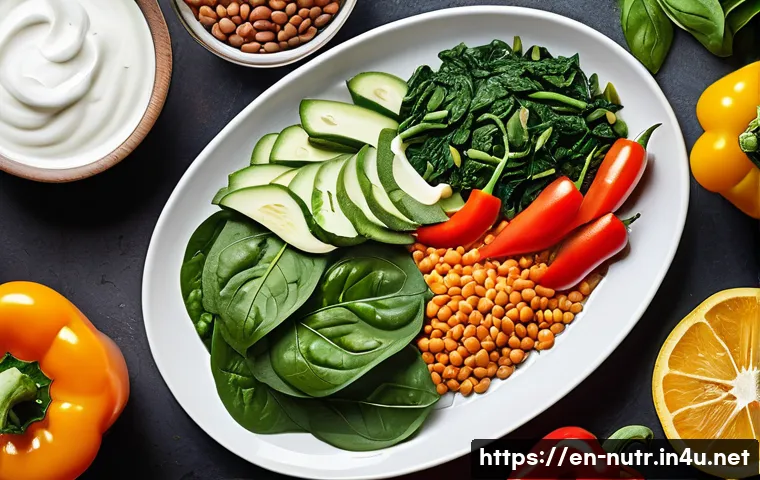
The nutrition industry is evolving faster than ever, driven by advances in personalized diet planning and the growing influence of technology in health management.
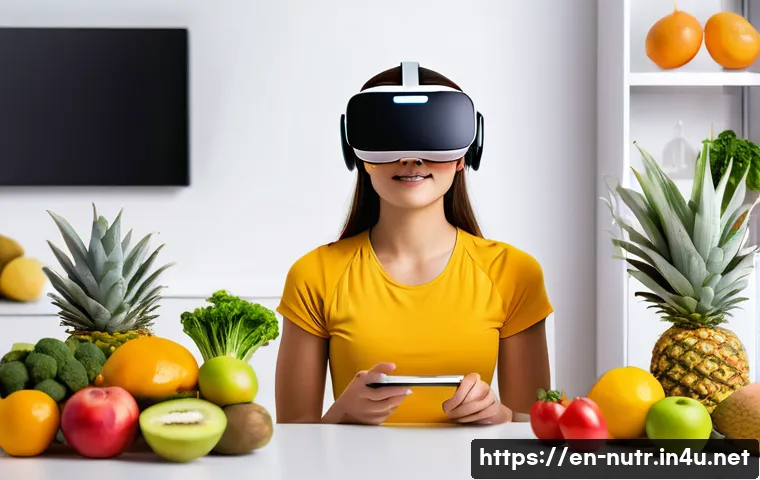
Nutritionists are now leveraging AI tools and data analytics to tailor meal plans that suit individual lifestyles and genetic profiles. Meanwhile, the rise of plant-based diets and sustainable food sourcing is reshaping the way professionals approach nutrition counseling.
These shifts not only enhance client outcomes but also open new career avenues for dietitians and nutrition experts. Curious about how these trends might impact your career or health choices?
Let’s dive deeper and explore the latest developments in this dynamic field!
Harnessing AI for Personalized Nutrition
How AI Transforms Diet Planning
Artificial intelligence has become a game-changer in nutrition, moving far beyond generic meal plans. Nowadays, AI algorithms analyze vast amounts of personal data—ranging from genetic markers to daily activity levels—to create meal plans that truly fit an individual’s unique needs.
I’ve personally experimented with some AI-driven platforms, and what struck me most was their ability to adjust recommendations dynamically as my lifestyle changed.
This isn’t just about calories anymore; it’s about optimizing for energy, gut health, and even mental clarity. The level of precision and personalization made me realize how far nutrition advice has come from one-size-fits-all approaches.
Data Analytics Enhancing Client Outcomes
The integration of data analytics tools allows nutritionists to track client progress with unprecedented accuracy. By monitoring biomarkers, food intake patterns, and even sleep quality, professionals can fine-tune their advice in real-time.
From my experience, this ongoing feedback loop significantly boosts motivation for clients because they see concrete evidence of their progress. It also empowers nutritionists to identify subtle trends, such as how certain foods impact energy or mood, enabling them to deliver more nuanced guidance that truly resonates with individual lifestyles.
Challenges and Opportunities for Nutritionists
While AI and data analytics open exciting doors, they also present challenges. Nutritionists must now become tech-savvy and comfortable interpreting complex datasets.
However, those who embrace these tools stand to benefit immensely, gaining a competitive edge in a crowded market. The demand for professionals skilled in both nutrition science and technology is rising, creating new career pathways such as digital nutrition coaching and personalized health tech consulting.
This fusion of skills is reshaping the profession and positioning nutritionists as indispensable partners in holistic health management.
The Rise of Plant-Based and Sustainable Nutrition
Why Plant-Based Diets Are More Than a Trend
Plant-based nutrition has surged in popularity, but it’s not just a fad—it’s a fundamental shift in how we approach eating. Nutritionists are increasingly advocating for diets rich in whole, plant-derived foods due to their proven benefits in reducing chronic disease risk and supporting environmental sustainability.
From what I’ve observed, clients adopting plant-based lifestyles often report higher energy levels and improved digestion, which motivates them to stick with these changes long-term.
It’s exciting to see nutrition counseling evolve to support these holistic benefits.
Incorporating Sustainability Into Nutrition Counseling
Sustainability is no longer an optional topic in nutrition; it’s central to many clients’ values and health goals. Nutritionists now consider the environmental impact of food choices alongside traditional nutritional metrics.
For example, recommending locally sourced, seasonal produce not only supports health but also reduces carbon footprints. I’ve noticed that this integrated approach enhances client engagement because it aligns personal wellness with global responsibility, creating a deeper sense of purpose around food choices.
Balancing Nutritional Adequacy with Ethical Choices
One challenge nutritionists face is ensuring clients meet all their nutrient needs while following plant-based or sustainable diets. It requires careful planning to avoid deficiencies in protein, vitamin B12, iron, and omega-3 fatty acids.
From my own trial and error, I’ve learned the importance of strategic supplementation and diverse food combinations to maintain optimal health. This complexity makes the nutritionist’s role even more vital, as they guide clients through safe, balanced adaptations that honor both health and ethics.
Emerging Career Paths in Nutrition Technology
Digital Health Coaching and Remote Consultations
The rise of telehealth has transformed how nutrition services are delivered. Nutritionists now offer remote consultations, leveraging apps and wearable devices to monitor clients’ progress virtually.
In my experience, this flexibility improves access and adherence, especially for busy individuals who struggle to attend in-person visits. The digital format also enables more frequent touchpoints, which keeps clients motivated and accountable.
Developing Nutrition Apps and Tools
Nutrition professionals are increasingly involved in creating or advising on apps that track food intake, suggest recipes, or analyze nutrient data. This intersection of tech and nutrition opens exciting entrepreneurial opportunities.
Having tried several popular apps, I can attest that those developed with expert input tend to be more user-friendly and scientifically accurate, which boosts user trust and engagement.
Specializing in Genomic and Microbiome Nutrition
Advances in genomics and microbiome research are spawning specialized roles within nutrition. Professionals who understand how genetics and gut bacteria influence dietary needs are in high demand.
I’ve been fascinated by how personalized insights from DNA tests can tailor nutrition plans that optimize health outcomes far beyond traditional methods, making this an exciting frontier for career growth.
Integrating Behavioral Science in Nutrition Counseling
Understanding Client Psychology for Better Results
Effective nutrition counseling goes beyond food—it involves understanding behavior, motivation, and habits. Applying behavioral science techniques, such as motivational interviewing and habit stacking, helps nutritionists support lasting change.
In my own coaching experience, clients respond best when goals are broken down into manageable steps and when emotional triggers are addressed, leading to more sustainable lifestyle shifts.
Using Technology to Reinforce Positive Habits
Apps and wearable tech don’t just track data; they can also reinforce behavior change through reminders, rewards, and social support features. I’ve found that clients who use these tools tend to stay more consistent because the technology creates a sense of accountability and community.
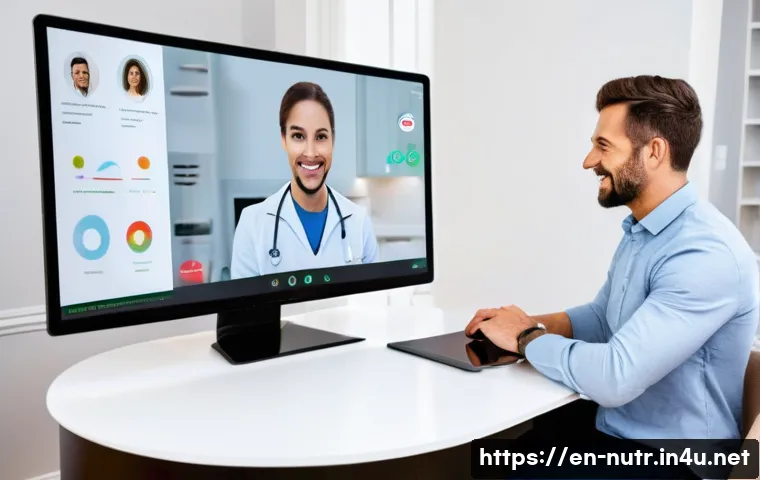
This fusion of behavioral science and technology is enhancing how nutritionists help clients overcome barriers and build healthy routines.
Training Nutritionists in Behavioral Techniques
Given the importance of psychology in nutrition, many training programs now include behavioral science modules. Nutritionists who master these skills are better equipped to handle resistance, ambivalence, and relapse.
From conversations with peers, it’s clear that this holistic approach increases client satisfaction and improves long-term outcomes, making it a crucial competency for today’s professionals.
Nutrition and Chronic Disease Prevention
The Role of Personalized Nutrition in Managing Chronic Conditions
Chronic diseases such as diabetes, heart disease, and obesity can be profoundly influenced by nutrition. Personalized diet plans that consider individual risk factors and metabolic responses are proving more effective than generic recommendations.
Based on case studies I’ve reviewed, tailored nutrition can reduce medication dependence and improve quality of life, highlighting the transformative potential of precision nutrition.
Collaborating With Healthcare Providers
Nutritionists are increasingly working alongside physicians, physical therapists, and other health professionals to create integrated care plans. This multidisciplinary approach ensures that dietary strategies complement medical treatments.
From my observations, clients benefit from this coordinated care model because it addresses all aspects of their health, improving adherence and clinical outcomes.
Educating Clients on Preventive Nutrition
Prevention is a cornerstone of modern nutrition counseling. Educating clients about the impact of food choices on disease risk empowers them to make informed decisions.
I’ve found that using relatable examples and focusing on achievable changes helps clients grasp complex concepts and motivates them to take proactive steps toward healthier living.
Leveraging Technology to Enhance Client Engagement
Interactive Meal Planning Tools
Modern meal planning software enables clients to customize menus based on preferences, allergies, and nutritional goals. These interactive tools make meal prep less daunting and more enjoyable.
Having used several platforms myself, I noticed that clients who engage with these tools tend to develop a better understanding of portion control and nutrient balance, which leads to improved dietary adherence.
Virtual Reality and Gamification in Nutrition Education
Emerging tech like virtual reality (VR) and gamification is starting to make waves in nutrition education. By creating immersive and fun learning experiences, these technologies increase client engagement and retention of information.
For example, VR simulations can teach label reading or portion sizing in a memorable way, which is especially helpful for younger or tech-savvy clients.
Automated Progress Tracking and Feedback
Automation tools that track progress and provide instant feedback help maintain momentum in behavior change. Clients appreciate timely encouragement and data-driven insights that reinforce their efforts.
In my coaching sessions, I’ve noticed that clients who receive regular automated updates feel more connected to their goals and stay motivated longer.
Key Trends in Nutrition Industry Technologies
| Technology | Purpose | Impact on Nutrition Practice | Examples |
|---|---|---|---|
| AI-Powered Meal Planning | Personalize diets using genetics and lifestyle data | Improves accuracy and client satisfaction | EatLove, Nutrigenomix |
| Wearable Health Devices | Monitor biometrics and activity levels | Enhances real-time feedback and adherence | Fitbit, Oura Ring |
| Telehealth Platforms | Deliver remote nutrition counseling | Increases accessibility and convenience | Teladoc, Healthie |
| Nutrition Apps | Track food intake and educate users | Supports habit formation and engagement | MyFitnessPal, Cronometer |
| Genomic & Microbiome Testing | Tailor nutrition based on individual biology | Enables precision nutrition approaches | DayTwo, Viome |
글을 마치며
Advancements in technology and behavioral science are revolutionizing nutrition, making personalized, sustainable, and effective dietary guidance more accessible than ever. From AI-driven meal plans to integrating psychology and genomics, the future of nutrition is dynamic and client-centered. Embracing these innovations can empower both professionals and individuals to achieve lasting health improvements. As these trends continue to evolve, staying informed and adaptable will be key to success in the nutrition field.
알아두면 쓸모 있는 정보
1. AI-powered nutrition platforms use personal data like genetics and lifestyle to create meal plans that adjust in real-time for optimal health benefits.
2. Nutritionists now employ data analytics and wearable devices to monitor client progress continuously, improving motivation and tailored guidance.
3. Plant-based and sustainable diets require careful nutrient planning to avoid deficiencies, highlighting the importance of expert support and supplementation.
4. Telehealth and digital tools have expanded nutrition services, allowing for remote coaching and better client adherence through frequent, flexible interactions.
5. Behavioral science techniques combined with technology enhance habit formation by addressing psychological barriers and offering social support features.
중요 사항 정리
Personalized nutrition, driven by AI and data analytics, is reshaping diet planning by focusing on individual needs rather than generic advice. The rise of plant-based and sustainable eating requires balancing ethical choices with nutritional adequacy, making expert guidance essential. Nutrition professionals must adapt to new technologies and behavioral strategies to improve client outcomes and stay competitive. Integrating multidisciplinary approaches and leveraging digital tools enhances engagement and long-term health success. Ultimately, embracing innovation and continuous learning is crucial for thriving in today’s nutrition landscape.
Frequently Asked Questions (FAQ) 📖
Q: How is
A: I changing the way nutritionists create personalized diet plans? A1: AI has transformed nutrition planning by allowing dietitians to analyze vast amounts of personal data—like genetic information, lifestyle habits, and health markers—to craft meal plans that truly fit individual needs.
From my experience, this means clients get more precise recommendations that consider their unique metabolism and preferences, leading to better adherence and outcomes.
It’s not just guesswork anymore; AI tools can predict how someone might respond to certain foods or nutrients, making nutrition counseling far more effective and personalized.
Q: What impact do plant-based diets and sustainable food sourcing have on nutrition careers?
A: The surge in plant-based eating and sustainability awareness is reshaping nutrition careers in exciting ways. Nutrition professionals are now expected to understand not only the health benefits of plant-based diets but also the environmental implications of food choices.
In practice, this means guiding clients toward nutrient-rich, eco-friendly options and helping food businesses develop sustainable menus. For those in the field, embracing these trends can open doors to new roles like sustainability consultants or specialized dietitians focused on plant-based nutrition, which are in growing demand.
Q: How can staying updated with these nutrition trends benefit my health or career growth?
A: Keeping up with the latest nutrition trends is a game-changer whether you’re a health professional or just someone passionate about wellness. For your health, it means adopting smarter, science-backed eating habits that fit your lifestyle and values, like personalized diets or sustainable food choices.
For your career, especially if you’re a dietitian or nutritionist, it positions you as a forward-thinking expert who uses cutting-edge tools and insights—making you more attractive to employers and clients alike.
From what I’ve seen, those who adapt quickly tend to build stronger client trust and enjoy more rewarding professional opportunities.